Understanding Containerized Wastewater Treatment Systems
Containerized wastewater treatment systems are revolutionizing the way industries handle effluent and sewage challenges. These compact, efficient units provide a fully integrated, pre-engineered solution tailored for various water treatment needs. By accommodating everything from domestic sewage to complex industrial effluents, containerized systems enhance operational efficiency while ensuring compliance with environmental regulations. As the quest for sustainable water management grows, exploring options in containerized wastewater treatment becomes increasingly vital for both municipal and industrial applications.
What is Containerized Wastewater Treatment?
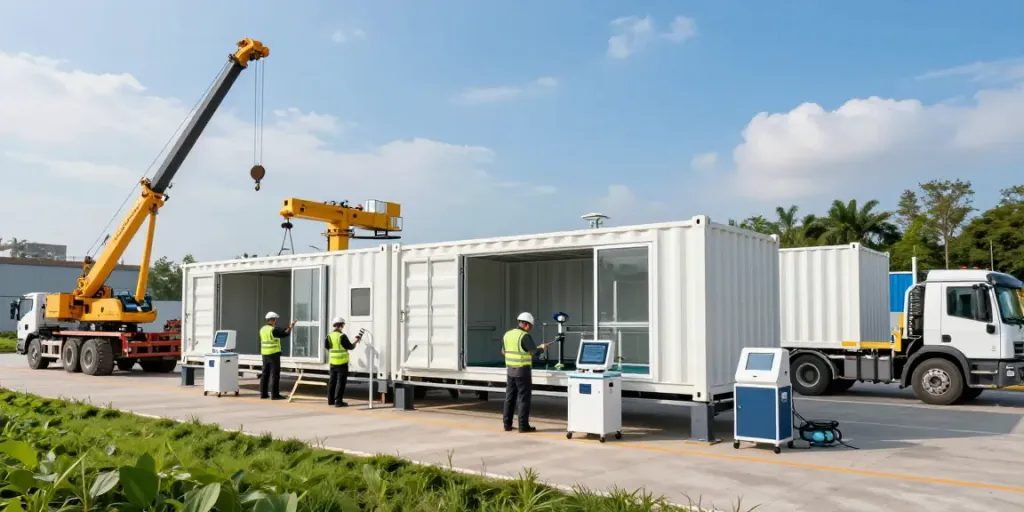
Containerized wastewater treatment refers to the use of modular, transportable treatment facilities built within standard shipping containers. This innovative approach allows wastewater treatment processes to be efficiently executed in a confined space without compromising effectiveness. Each unit is equipped with state-of-the-art technology designed to treat various types of wastewater, providing a sustainable solution in a wide range of settings.
Key Components of Containerized Systems
A typical containerized wastewater treatment system comprises several essential components:
- Pre-treatment Units: These remove larger solids, grit, and oils from the wastewater, preparing it for further processing.
- Biological Treatment Systems: Utilizing aeration tanks or bioreactors, these systems facilitate the breakdown of organic matter by microorganisms.
- Filtration and Disinfection: Final treatment stages often involve filtration systems and disinfection methods like UV light or chemical treatment to eliminate harmful pathogens.
- Control Systems: Automated control panels that monitor and manage the operations of the treatment plant, ensuring optimal performance and compliance with regulatory standards.
Benefits of Modular Design
The modular design of containerized wastewater treatment systems is a key feature that offers numerous advantages:
- Rapid Deployment: Containerized systems can be quickly deployed on-site, typically requiring only a flatbed truck and minimal installation time.
- Scalability: Units can be added or removed as needed, allowing for adjustments based on changing wastewater volumes or treatment needs.
- Cost-Effectiveness: Reduced installation and operational costs make these systems an economically viable option for many industries.
- Minimal Footprint: Being compact, these systems are ideal for sites with space constraints, including remote locations.
Deployment and Relocation Strategies
Quick Installation Techniques
Installing containerized wastewater treatment systems is a straightforward process. The pre-assembled units arrive on-site ready for connection to existing utilities. Quick connections to water, power, and discharge lines streamline the setup process, allowing operations to commence within a matter of days.
Transport Considerations
Transporting these compact units is efficient due to their design. Whether moving them between job sites or to new locations, standard shipping containers simplify logistics. They can be easily transported via flatbed truck or shipped through freight services, ensuring that treatment capacity can be adjusted to meet fluctuating demands.
Case Studies of Successful Deployments
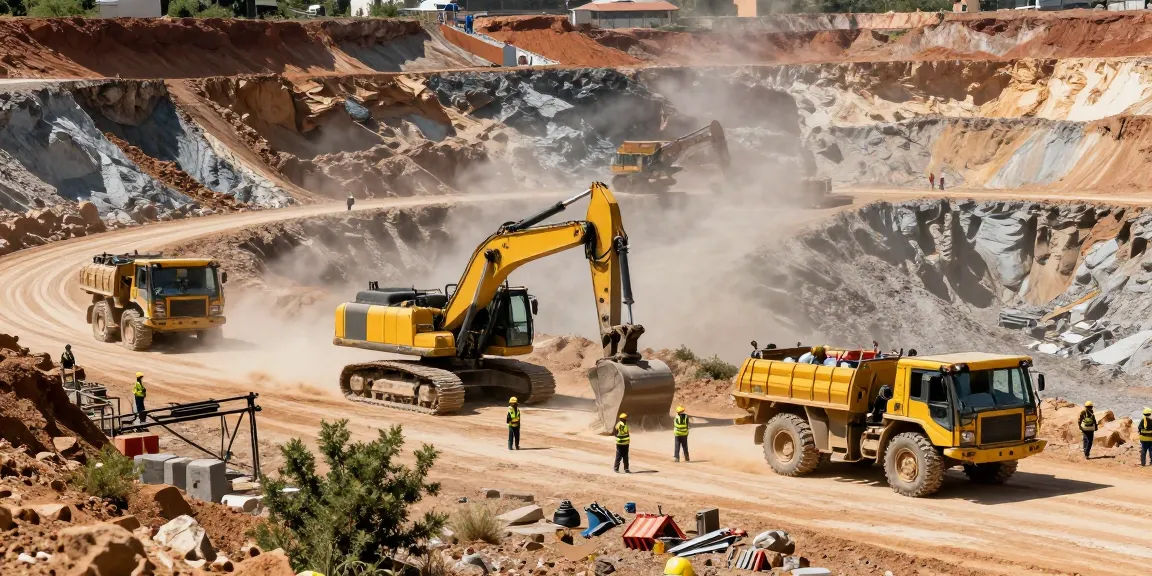
Numerous industries have successfully implemented containerized wastewater treatment solutions. For example, a mining operation in Australia deployed a 40-foot containerized plant that effectively treated effluent on-site, significantly reducing transport costs and minimizing environmental impact. Similarly, a construction site utilized containerized treatment units to handle wastewater during project development, enabling compliance with local regulations while keeping operations on schedule.
Operational Flexibility and Compliance
Meeting Environmental Standards
Containerized wastewater treatment systems are designed with compliance in mind. Built to meet local and national environmental regulations, they provide reliable treatment processes to safeguard public health and protect the environment from contaminated effluents.
Adapting to Varying Wastewater Types
These systems are engineered to handle diverse types of wastewater, from residential sewage to industrial effluents rich in hazardous materials. The operational flexibility provided by modular components enables facilities to adjust treatment processes based on the specific characteristics of the incoming wastewater.
Long-term Maintenance Practices
Routine maintenance is crucial to ensuring long-term efficiency and reliability. Containerized systems typically require scheduled inspections, cleaning of filters, and monitoring of biological processes. Many providers offer maintenance packages that include remote monitoring and troubleshooting, minimizing downtime and extending the lifespan of the treatment facilities.
Comparative Analysis of Competitor Systems
Feature Comparisons with Leading Solutions
In comparing containerized wastewater treatment solutions, key features such as processing capacity, energy efficiency, and automation levels are significant. For example, systems like ClearFox® and BioKube have specific design strengths, including customizability and advanced monitoring technologies that enhance operational efficiency.
Cost-Effectiveness Assessment
Cost considerations play a vital role in the selection of wastewater treatment systems. Analyzing the total cost of ownership, including initial investment, operational expenses, and maintenance costs, can reveal which systems offer the best long-term value. Containerized systems often yield lower total costs due to reduced installation times and lower operational inefficiencies.
Innovative Features to Look For
When evaluating containerized wastewater treatment systems, seek out innovative features that can enhance performance. Advanced automation, real-time data analytics, and eco-friendly technologies such as energy recovery systems can significantly improve both throughput and sustainability.
Future Trends in Wastewater Treatment
Technological Advancements for 2026 and Beyond
The future of wastewater treatment is poised for transformation with the emergence of new technologies. Innovations in artificial intelligence, IoT connectivity, and advanced membrane filtration techniques are set to enhance operational efficiencies and expand the capabilities of containerized systems.
Regulatory Changes on the Horizon
As environmental awareness grows, regulations surrounding wastewater treatment are becoming more stringent. Companies will need to adapt their systems to meet future standards, which may include stricter discharge limits and increased reporting requirements. Staying ahead of these trends will be crucial for compliance and operational success.
How to Stay Ahead in Wastewater Management
To maintain a competitive edge, businesses must embrace emerging technologies and prioritize sustainability in their wastewater treatment strategies. Investing in training for staff, upgrading systems to incorporate advanced treatment processes, and fostering partnerships with technology providers will ensure long-term viability in the rapidly evolving landscape.