Understanding Custom Stainless Steel Parts
In today’s manufacturing landscape, the demand for precision-engineered components is higher than ever, and custom stainless steel parts have emerged as a cornerstone in various industries. These components not only provide remarkable durability and corrosion resistance but are also tailored to meet specific design requirements and applications. Honscn, established in 2003, specializes in the custom machining of stainless steel parts, ensuring that each product is manufactured to the highest standards. By sourcing only the finest stainless steel grades, Honscn guarantees that the parts can withstand harsh environments while maintaining structural integrity under pressure. When exploring options, custom stainless steel parts offer unparalleled versatility and reliability for businesses across sectors.
What Are Custom Stainless Steel Parts?
Custom stainless steel parts are specific components crafted from stainless steel to meet particular specifications and tolerances required by different industries. Unlike standard parts, which are mass-produced, custom parts are designed according to the unique needs of a project. This involves machining processes that adapt the material to fit precise dimensions, shapes, and finishes. Some common applications include parts for machinery, automotive components, and intricate elements for medical devices.
Key Benefits of Custom Stainless Steel Parts
- Corrosion Resistance: Stainless steel is inherently resistant to rust and corrosion, making it an ideal material for parts used in wet or harsh environments.
- Strength and Durability: Stainless steel boasts high tensile strength, ensuring that parts can withstand significant stress and strain without failing.
- Customizability: Each part can be tailored regarding size, shape, and finish, allowing for designs that fit specific functional and aesthetic needs.
- Longevity: Custom stainless steel parts have a longer lifespan, reducing the need for frequent replacements and maintenance.
- Hygienic Properties: In industries such as medical and food processing, stainless steel’s non-porous surface helps maintain cleanliness and hygiene.
Applications Across Various Industries
Custom stainless steel parts play crucial roles in various sectors, each with distinct requirements and challenges. Here are a few key industries that benefit from these specialized components:
- Medical Industry: In surgical instruments and implantable devices, custom stainless steel parts are essential for their biocompatibility and resistance to corrosion, ensuring safety and sterility.
- Food Processing: Equipment used in food production must meet strict hygiene standards. Stainless steel components are easy to clean and maintain, making them ideal for this environment.
- Chemical Engineering: Parts that can withstand corrosive substances are vital in chemical manufacturing. Custom stainless steel components ensure durability in these hostile environments.
The CNC Machining Process Explained
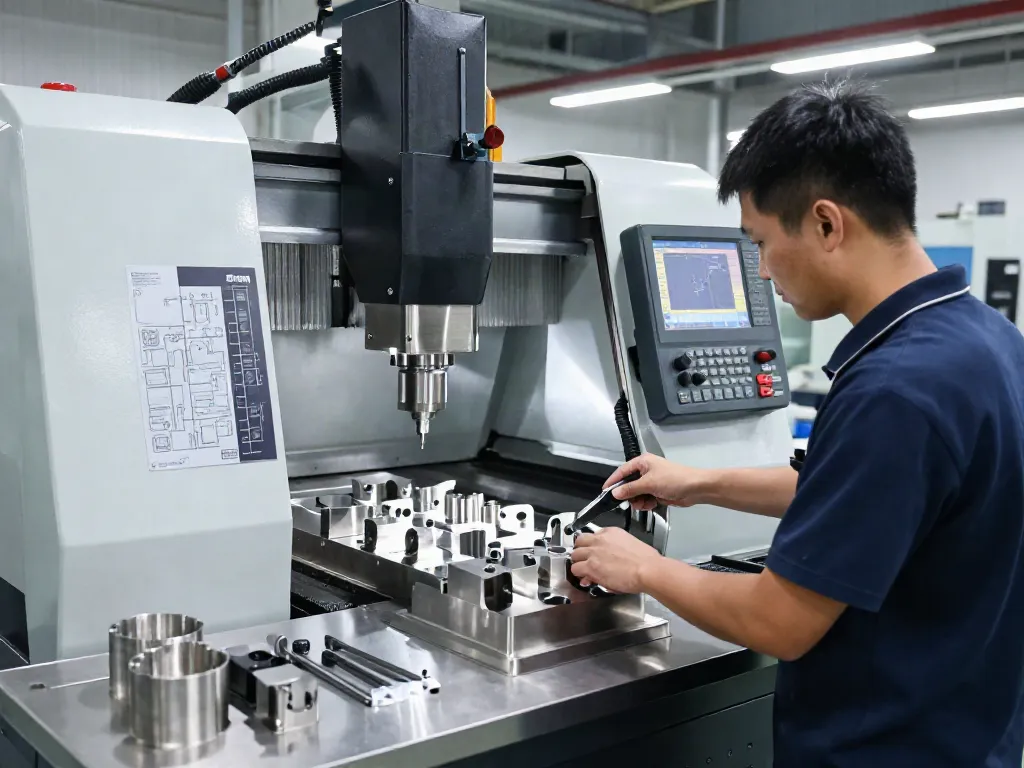
Understanding the CNC machining process is essential when delving into the production of custom stainless steel parts. This advanced manufacturing technique allows for precise shaping and sizing of stainless steel materials, ensuring high-quality outcomes and efficiency.
Overview of CNC Machining Techniques
CNC machining utilizes computer numerical control systems to guide machinery in the fabrication of parts. Techniques include milling, turning, and electrical discharge machining (EDM). Each method offers distinct advantages, such as:
- CNC Milling: Ideal for creating complex shapes and features, milling uses rotating cutting tools to remove material from a workpiece.
- CNC Turning: This process involves rotating a workpiece on a lathe while a stationary tool shapes it, suitable for cylindrical components.
- EDM: Electrical discharge machining is used to create intricate shapes through controlled erosion of material.
Materials and Equipment Used in CNC Machining
While stainless steel is a preferred material due to its properties, CNC machining can also accommodate various metals and composites. The equipment used includes high-precision CNC mills, lathes, and laser cutters, each meticulously calibrated to ensure tight tolerances.
Steps in the Custom Parts Manufacturing Process
- Design: The client provides specifications, which are translated into CAD models by Honscn's expert team.
- Prototyping: A prototype may be created to assess functionality and design before mass production.
- Machining: Using the appropriate CNC technique, the part is fabricated according to specifications.
- Finishing: Final touches, such as polishing or coating, are added to meet the required aesthetic and functional standards.
- Quality Control: Each part undergoes rigorous testing to ensure it meets the desired quality and performance standards.
Quality Control and Assurance
Quality control is paramount in the manufacturing of custom stainless steel parts. The integrity of these components can significantly impact the safety and efficacy of end products, particularly in critical applications.
Importance of Quality in Stainless Steel Parts
Ensuring high-quality standards prevents failures and enhances performance. In industries like healthcare, even minor defects can have serious repercussions. Therefore, implementing a robust quality control system is essential.
Standards and Certifications for Quality Assurance
Manufacturers often adhere to various international standards and certifications, such as ISO 9001, to demonstrate their commitment to quality. Compliance with these standards not only boosts customer confidence but also facilitates smoother operations across supply chains.
Methods for Testing Part Integrity and Reliability
- Visual Inspections: Simple assessments to identify surface defects or irregularities.
- Dimensional Checks: Utilizing tools like calipers and gauges to measure specific dimensions against design specifications.
- Material Testing: Processes such as tensile testing are employed to verify the material's properties and strength.
Meeting Industry-Specific Requirements
Each industry possesses unique challenges and compliance needs, making it crucial for manufacturers like Honscn to tailor their processes accordingly.
Medical Applications and Compliance Standards
The medical field requires stringent adherence to hygiene and safety standards. Custom stainless steel parts used in surgical tools or devices must comply with regulations set forth by organizations such as the FDA.
Food Processing Requirements and Hygiene Regulations
Custom parts for food processing equipment must meet NSF and ISO standards to ensure they are safe for use in food environments. High-quality stainless steel components help maintain sanitation standards and prevent contamination.
Chemical Industry Challenges and Material Selection
In the chemical sector, specific grades of stainless steel (such as 316L) are preferred for their resistance to pitting and crevice corrosion when exposed to aggressive substances. This careful material selection is crucial for long-term reliability.
Future Trends in Custom Stainless Steel Parts Manufacturing
The landscape of custom stainless steel part manufacturing is evolving, driven by technological advancements and changing market demands.
Emerging Technologies in CNC Machining
New technologies such as additive manufacturing and hybrid machining processes are increasingly being integrated into CNC machining practices. These innovations improve efficiency and expand the possibilities for complex part designs.
Sustainability and Eco-Friendly Practices in Manufacturing
With rising awareness of environmental impacts, manufacturers are exploring sustainable practices, including the use of recycled materials and energy-efficient machinery, to minimize their carbon footprint.
Forecasting the Future of Custom Part Demands in 2026
As industries continue to evolve, the demand for custom stainless steel parts is expected to increase, particularly in sectors focused on sustainability and advanced technology. Manufacturers that adapt to these trends will thrive in the coming years.
What are the advantages of custom stainless steel parts?
The advantages include superior corrosion resistance, high durability, customizability for specific needs, hygienic properties, and long life spans.
How do I choose a reliable manufacturer for custom parts?
Look for manufacturers with extensive experience, positive customer reviews, and adherence to quality standards. Ensure they offer robust support throughout the design and production process.
What industries benefit the most from stainless steel components?
Industries such as healthcare, food processing, and chemical manufacturing benefit significantly from the use of stainless steel components due to their necessary properties for safety and durability.
Why is quality control essential in CNC machining?
Quality control ensures that custom parts meet design specifications and safety standards, preventing failures that could lead to significant operational problems or safety hazards.
What materials are typically used in custom stainless steel parts?
Common materials include various grades of stainless steel, such as 304, 316, and 303, chosen based on specific environmental conditions and application requirements.