Understanding Track Inspection: Importance and Methods
The Role of Track Inspection in Railway Safety
Track inspection is a critical aspect of railway operations, ensuring the safety and reliability of train services. The integrity of the tracks determines the overall safety of rail travel, which is why regular assessments are essential. Proper Track Inspection measures can prevent accidents, facilitate timely maintenance, and enhance overall operational efficiency.
Common Track Inspection Techniques
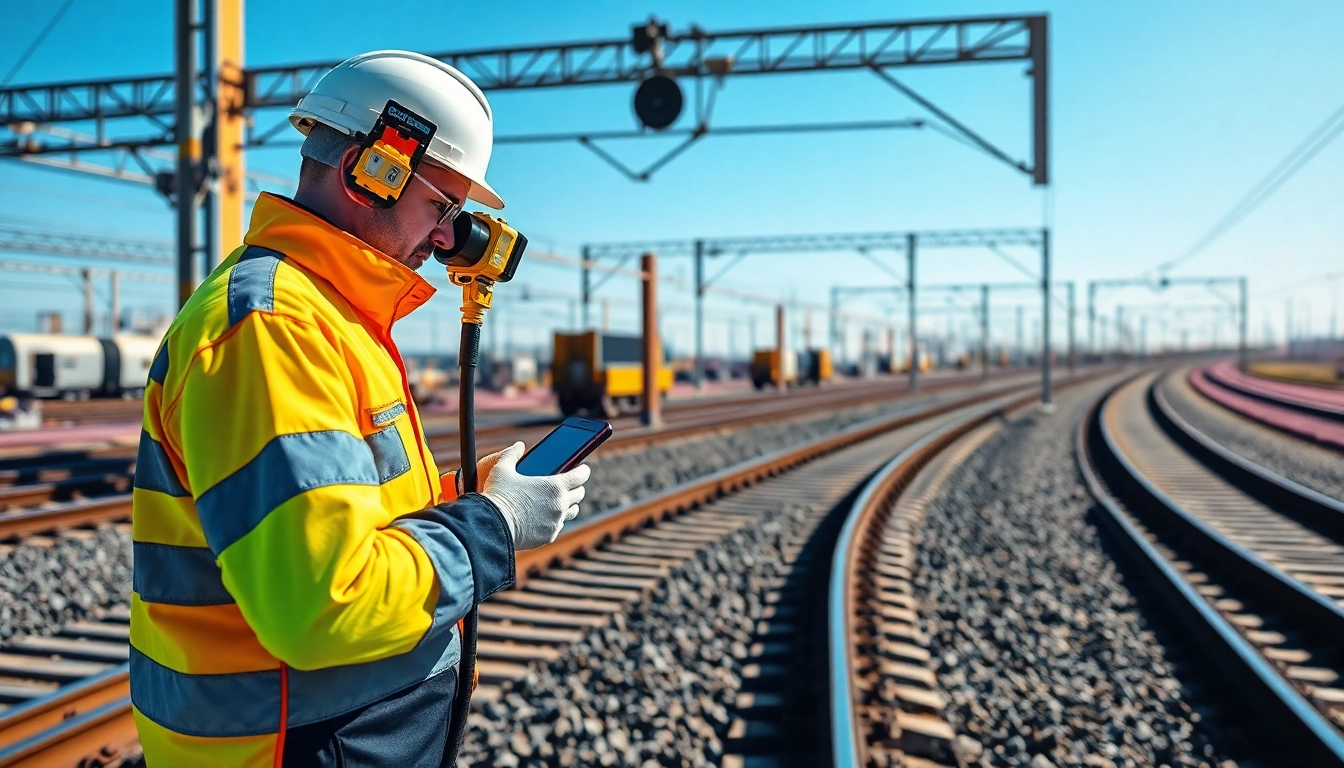
Traditionally, track inspection methods included visual checks conducted by railway maintenance personnel. These inspections assess the physical condition of rails, ties, ballast, and switches. Today, technological advancements allow for more sophisticated techniques, such as ultrasonic testing, which can detect internal flaws in rail steel, and geometric measurement systems that assess track alignment and profile.
Regulatory Standards for Track Inspection
Regulatory bodies impose strict standards for track inspection to ensure public safety. These standards dictate the frequency and methods of inspection. Compliance with such regulations not only enhances safety but also minimizes liability risks for railway companies. Regular audits and adherence to industry standards are mandatory practices for sustained operational integrity.
Types of Track Inspection Technologies
Manual vs. Automated Track Inspection
Manual track inspection relies heavily on trained crews who physically inspect the tracks. While effective, this method can be time-consuming and subjective. In contrast, automated track inspection employs advanced technologies, such as sensors and drones, to collect data swiftly and accurately. This technology enhances the efficiency of inspections while reducing human error, allowing for a more reliable analysis of track conditions.
Advanced Technologies in Track Inspection
Advanced technologies used in track inspection include Ground Penetrating Radar (GPR) for subgrade assessments, laser scanning for dimensional checks, and digital imaging for detailed visual analysis. These technologies provide real-time data and predictive analytics, enabling proactive maintenance strategies. By implementing such innovations, rail organizations can ensure high safety standards and extend the lifespan of their assets.
Benefits of Using Drones for Track Inspection
Drones have revolutionized track inspection by offering a bird's-eye view that is not possible with traditional methods. Equipped with high-resolution cameras and sensors, drones can quickly survey long stretches of track and identify issues such as vegetation encroachment or track degradation. Furthermore, aerial inspections are safer, as they reduce the need for personnel to access potentially hazardous areas on foot.
Best Practices for Conducting Track Inspection
Pre-Inspection Checklist
Before conducting a track inspection, it is imperative to prepare a comprehensive checklist. This checklist should include safety protocols, tools needed, and specific areas of concern. Key items might involve verifying that appropriate protective gear is worn, ensuring tools are calibrated, and reviewing any previous inspection reports to focus on critical areas.
Regular Inspection Scheduling
Establishing a regular inspection schedule enhances reliability. Variables influencing the frequency include the type of train traffic, track age, and environmental factors. By proactively scheduling inspections, rail organizations can prevent issues before they become critical, ensuring continuous safety and efficiency.
Documentation and Reporting Procedures
Accurate documentation is vital in track inspection. Each inspection should culminate in a detailed report outlining the findings, recommendations, and further actions required. Implementing a standardized reporting procedure aids in tracking recurring issues, prioritizing maintenance, and facilitating regulatory compliance.
Challenges in Track Inspection
Identifying Common Hazards
Track inspectors face numerous hazards, including moving trains, adverse weather conditions, and rough terrain. Training programs that emphasize hazard recognition and safety practices can prepare inspectors to handle these challenges effectively. Conducting risk assessments prior to inspections also contributes to increased safety for personnel.
Weather Conditions Impacting Inspections
Weather plays a significant role in track inspection effectiveness. Rain, snow, and extreme temperatures can obscure visibility and affect track conditions, complicating inspections. Using weather-appropriate tools and adopting adaptable inspection schedules can mitigate these effects, ensuring inspections remain thorough and reliable regardless of external conditions.
Resource Allocation for Track Inspection
Proper resource allocation is essential for effective track inspection. This includes deploying adequate personnel, maintaining equipment, and integrating technologies. Organizations should regularly evaluate resource distribution to ensure that inspections do not compromise safety or effectiveness due to constraints; strategic investment in tools and training is crucial.
Future Trends in Track Inspection
Innovations on the Horizon
The future of track inspection appears bright with numerous innovations on the horizon. Emerging technologies such as augmented reality (AR) for visual inspections and enhanced robotics for physical inspections promise to revolutionize the industry. These advancements will support inspectors with real-time data and immersive experiences, significantly improving overall inspection quality.
Integrating AI and Machine Learning
Artificial intelligence and machine learning are set to transform how inspections are conducted. By analyzing vast amounts of data, these technologies can predict potential failures, prioritize maintenance tasks, and optimize inspection schedules. The integration of AI-driven systems will enhance decision-making and proactive measures, ensuring safer rail operations.
Data Analytics and Track Inspection Efficiency
Data analytics enables rail companies to streamline their inspection processes further. By harnessing big data from inspections, companies can identify trends, benchmark their performance against industry standards, and effectively allocate resources. Continuous improvement through data analysis will usher in a new era of efficiency and safety in track maintenance.
FAQs
What is Track Inspection?
Track inspection involves evaluating railway tracks to ensure safety and reliability. It identifies maintenance needs and prevents accidents.
Why is Track Inspection important?
Track inspection is crucial for maintaining safety standards, preventing derailments, and ensuring efficient rail operations.
What are the common methods of Track Inspection?
Common methods include visual inspections, using specialized equipment, and advanced technologies like ultrasonic testing.
How often should Track Inspection be performed?
Frequency depends on traffic volume and environmental conditions, but general guidelines suggest regular inspections at set intervals.
What technological advancements are used in Track Inspection?
Technological advancements include automated drones, sensors, and data analytics tools, which improve accuracy and efficiency.
Contact Information
Call Us: 1 (403) 452-4508Email: [email protected]Address: 3950 Fossil Creek Blvd Suite 106, Fort Worth, TX, USA 76137