The Importance of a Rail Systems Company
In today's interconnected world, logistics and transportation management play a crucial role in the success of businesses across various sectors. Among the various modes of transportation, rail systems offer unparalleled efficiency and reliability. A proficient rail systems company becomes essential in navigating the complexities of rail logistics, ensuring that goods reach their destinations safely and economically. This article delves into the significance of rail systems and explores various dimensions of rail transport that contribute to its efficacy.
Understanding Rail Systems
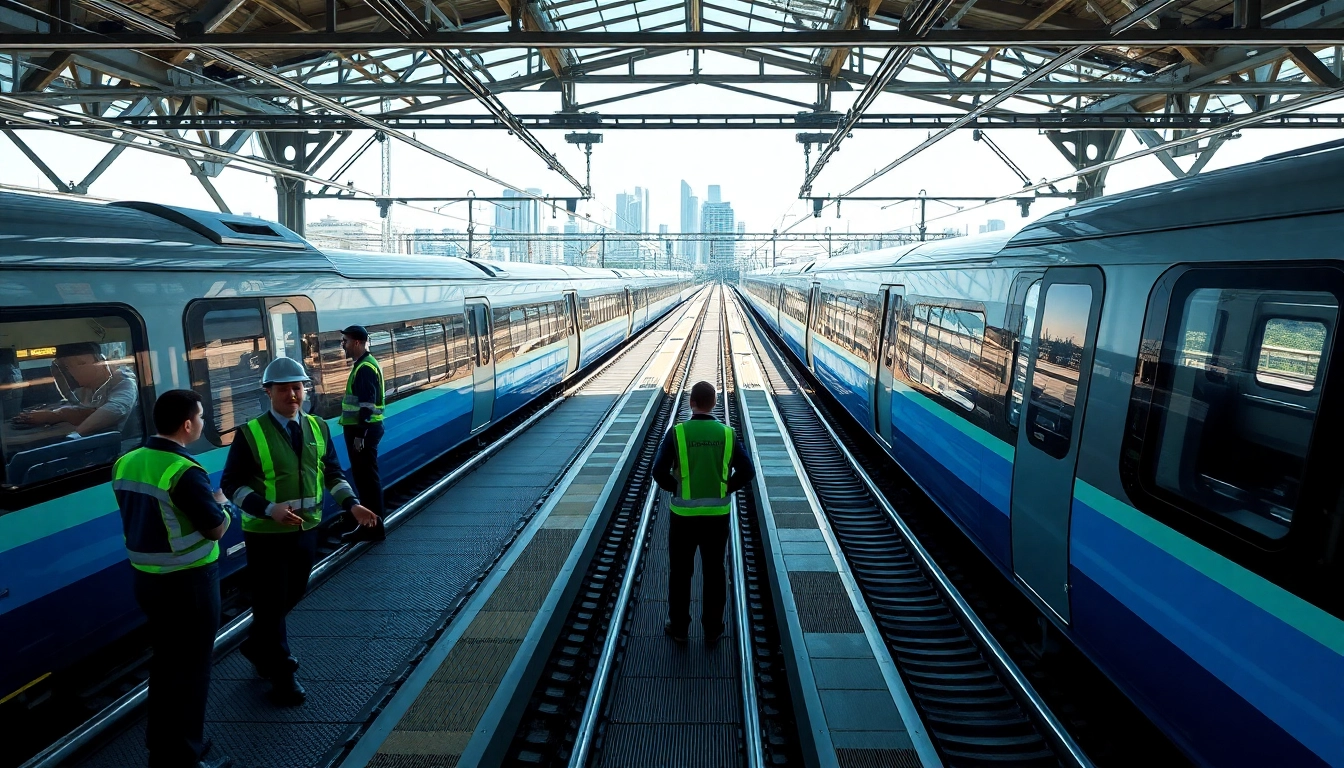
Rail systems are comprehensive frameworks that involve multiple components, such as rail tracks, signaling systems, rolling stock (the trains themselves), and management aspects related to scheduling and logistics. At their core, rail systems are designed to facilitate the movement of goods efficiently across long distances. This mode of transportation relies on physical infrastructure and sophisticated technology to coordinate movements, manage traffic flow, and improve overall service delivery.
The evolution of rail systems has seen the integration of advanced technologies, making them a crucial part of the supply chain. With the advent of digital platforms, rail transport can now offer real-time updates, which increase transparency and reliability for businesses that rely on timely deliveries. Understanding the complexity involved in rail systems is pivotal for a rail systems company, as it shapes operational strategies and influences their competitive edge.
Key Benefits of Rail Transportation
Rail transportation offers several benefits that contribute to its growing popularity among logistics providers. Here are some of the most noteworthy advantages:
- Cost-Effectiveness: Rail transport generally has lower operating costs compared to other modes of transportation, particularly for bulk shipments over long distances.
- Environmental Benefits: Trains are more fuel-efficient and produce fewer emissions per ton-mile than trucks, making rail a greener choice for transport.
- Safety: Rail systems statistically have lower accident rates compared to road transport, reducing the risk of damage to goods and injury to personnel.
- Capacity: Rails can carry a substantial amount of cargo at once, enabling companies to ship large quantities without the need for multiple vehicles.
- Reliability: Trains operate on fixed schedules and routes, leading to predictable delivery times which are vital for supply chain efficiency.
By integrating these advantages, a rail systems company can significantly boost overall supply chain performance, leading to enhanced business outcomes and customer satisfaction.
Economic Impact of Rail Systems
The economic impact of rail systems extends beyond mere transportation; it includes job creation, infrastructure development, and contribution to national GDP. Rail transport supports various sectors by facilitating the swift movement of goods that fuels trade. Moreover, trains can efficiently connect rural areas to urban centers, enhancing local economies.
Investment in rail infrastructure translates to significant long-term economic benefits. For instance, improved rail connections can attract businesses to a region, providing job opportunities and spurring local development. Additionally, rail systems often require less road maintenance, which allows governments to allocate funds to other critical infrastructure projects.
In summary, the strategic implementation of rail systems not only optimizes logistics but also has a profound effect on economic growth and sustainability.
Innovative Technologies in Rail Systems
Automation and Smart Technology
The rail industry is undergoing a technological transformation, where automation and smart technology are playing significant roles in enhancing operational efficiency. Automation tools such as automated train controls and scheduling systems help streamline operations, allowing for better resource management and optimized routes.
Smart technologies are essential in predictive maintenance, which utilizes data analytics to monitor train performance and forecast problems before they occur. This proactive approach minimizes downtime and extends the lifespan of rolling stock and infrastructure.
Enhancing Safety Measures
Safety is paramount in rail operations. With recent advancements in technology, many rail systems now incorporate sophisticated safety measures such as positive train control (PTC), which is designed to prevent collisions and accidents through automated braking systems and real-time data monitoring.
Moreover, enhancing worker safety through training programs and the use of wearable technology can reduce workplace incidents, protecting both employees and cargo. A responsible rail systems company prioritizes safety by adopting these innovations and continuously adapting to new SAFETY standards.
Environmental Sustainability Practices
With increasing awareness of environmental issues, rail systems are striving to embrace sustainable practices. Utilizing electric trains and biodiesel options can significantly reduce the carbon footprint of rail transport. Additionally, many rail companies are actively engaging in reforestation projects and energy-efficient infrastructure improvements.
These sustainability initiatives not only contribute to the health of the planet but also resonate with consumers who are increasingly making eco-conscious purchasing decisions. Therefore, a rail systems company committed to sustainable practices stands to gain a competitive advantage in the marketplace.
Choosing the Right Rail Systems Company
Evaluating Experience and Expert Teams
Choosing a rail systems company is a critical decision that can impact the efficiency and effectiveness of your logistics operations. One key aspect to evaluate is the company’s level of experience. A reputable company with a strong track record is far more likely to handle complex logistics successfully and provide innovative solutions tailored to your needs.
It’s also vital to assess the expertise of their teams. Skilled professionals equipped with industry knowledge can better navigate challenges that may arise during transportation, enabling smoother transitions and fewer disruptions.
Analyzing Previous Projects and Testimonials
When selecting a rail systems company, analyzing previous projects and client testimonials can yield valuable insights. Look for case studies that highlight successful transportation solutions, demonstrating the company’s ability to meet specific requirements or overcome challenges in real-world scenarios.
Testimonials lend credibility to the company’s claims. Reliable sources of feedback can help verify the quality of service and customer satisfaction. Consider reaching out to past clients for a more comprehensive understanding of their experience.
Budgeting and Cost Considerations
Cost is a significant factor when choosing a rail systems company, but it’s essential to view this through a lens of value rather than purely expense. Consider the return on investment you anticipate from choosing a particular service provider.
Beyond upfront costs, also evaluate the long-term savings that could result from efficient logistics, reduced damage-related expenses, and improved transit times. It often pays off to invest in a more expensive but reliable rail systems company, as the benefits can far outweigh initial costs.
Challenges in Rail System Implementation
Logistical Hurdles and Solutions
Implementing a rail system can present logistical challenges, including integration with existing infrastructure, scheduling, and route planning. Understanding potential hurdles is crucial for developing effective solutions. Collaborating closely with stakeholders and carefully planning can mitigate many issues.
Utilizing sophisticated logistics software can enhance forecasting and resource allocation, enabling smoother operations that accommodate demand fluctuations without excessive delays.
Regulatory Compliance Challenges
Rail systems are subject to rigorous regulations that ensure safety, efficiency, and sustainability. Navigating these regulations can be a challenge, particularly for businesses new to rail logistics.
The best approach is to partner with a rail systems company that is well-versed in compliance requirements. They can guide you in meeting all necessary legal obligations and avoid costly penalties in the long run.
Maintenance and Upgrades Issues
Maintaining a rail system requires ongoing attention and investment. Deterioration of infrastructure or rolling stock can lead to significant operational disruptions if not addressed promptly. Regular maintenance schedules and timely upgrades are vital for maximizing efficiency.
Incorporating predictive analytics into maintenance protocols can help anticipate failures and streamline maintenance efforts, ensuring that any potential issues are resolved proactively rather than reactively.
Future Trends in Rail Systems
Electrification and Sustainability
The future of rail systems is leaning heavily toward electrification and sustainable practices. The transition from diesel to electric-powered trains is critical to reducing emissions. Innovations in battery technology and infrastructure are making this shift more feasible.
Sustainability in rail transport is becoming a competitive factor, with companies that invest in eco-friendly technologies likely to gain market share. Future trends indicate a shift toward cleaner energy sources, which will reshape rail logistics.
Impact of Autonomous Vehicles
Autonomous vehicles are making waves in multiple industries, including rail transport. The advent of technology that allows trains to operate autonomously has the potential to revolutionize logistics by increasing efficiency and safety.
Implementing autonomous systems can reduce the need for manual oversight, decrease labor costs, and enhance punctuality. However, the transition toward fully automated systems will require careful planning and investment.
Global Rail Network Integration
The globalization of trade demands enhanced cooperation between different rail systems worldwide. Global rail network integration facilitates seamless logistics across geographic boundaries, driving efficiency and reducing costs.
Advancements in technology will play a pivotal role in supporting this integration. Companies that adopt standardized protocols and improve interoperability will find themselves at the forefront of the evolving rail landscape.
Frequently Asked Questions
1. What services do rail systems companies provide?
Rail systems companies offer services including freight transportation, logistics management, engineering, maintenance, and safety compliance, catering to a variety of industries.
2. How do rail systems benefit the environment?
Rail systems are more energy-efficient and produce lower greenhouse gas emissions compared to road vehicles, making them a greener choice for transporting goods over long distances.
3. Why should I choose rail transport over trucking?
Rail transport is often more cost-effective for long distances, has higher capacity, and is more environmentally friendly, making it a sustainable choice for bulk goods.
4. What challenges do rail systems face today?
Current challenges include regulatory compliance, infrastructure maintenance, technological adoption, and navigating logistical complexities in a globalized trading environment.
5. How can I evaluate the best rail systems company?
Evaluate a company's experience, client testimonials, technology adoption, and pricing structures to determine their suitability for your specific rail transport needs.
Contact Information
Call Us: 780.400.4104Email: [email protected]Address: 3403 74 AVE NW , T6B 3B8