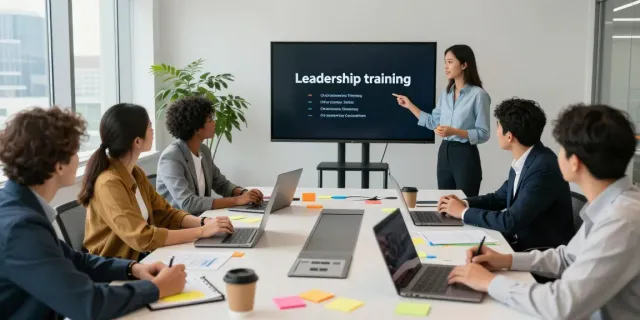
Understanding Communication Skills Training
Effective communication is the cornerstone of any successful interaction, whether in a corporate setting or personal relationships. Communication Skills Training provides a structured approach aimed at enhancing how individuals exchange information, process feedback, and navigate challenging conversations. By focusing on various communication modalities, participants can dramatically improve their interpersonal skills, fostering a more collaborative work environment.
What is Communication Skills Training?
Communication Skills Training involves a formal program designed to improve the way individuals communicate. It covers essential aspects such as verbal and nonverbal communication, listening skills, and the ability to give and receive feedback effectively. Typically, these training programs are structured around interactive workshops, online courses, and self-driven modules, each tailored to various learning preferences.
Importance of Communication Skills Training
In today’s fast-paced work environment, strong communication skills are essential. They not only facilitate better teamwork but also enhance employee satisfaction and productivity. Effective communication can improve project outcomes and enrich workplace culture, making employees feel more valued and engaged. Training helps employees and leaders alike to refine their communication strategies, thereby reducing misunderstandings and conflicts.
Who Needs Communication Skills Training?
Virtually everyone can benefit from Communication Skills Training. This encompasses employees at all levels, from entry-level staff to senior executives. Teams that rely on collaboration, customer-facing roles, and those involved in project management can particularly benefit from improved communication strategies. Additionally, individuals transitioning into leadership roles or those preparing for job interviews may find specialized training extremely beneficial.
Key Components of Communication Skills Training
Verbal Communication Techniques
Verbal communication encompasses the spoken and written word. Training in this area focuses on clarity, tone, and content. Participants learn to articulate their thoughts concisely and persuasively, employing techniques such as storytelling and the use of relevant jargon. They also practice crafting messages that resonate with their audience, whether in presentations, emails, or face-to-face conversations.
Nonverbal Communication Skills
Nonverbal cues, like body language, facial expressions, and eye contact, play a significant role in communication. Training programs emphasize the importance of these nonverbal signals, teaching participants to recognize their impacts and to align their body language with their verbal messages. Understanding nonverbal communication helps in reading social situations accurately and responding appropriately, thereby enhancing interpersonal dynamics.
Effective Listening Strategies
Listening is often the most overlooked component of communication. Effective Communication Skills Training teaches active listening techniques that promote understanding and rapport. Participants learn to focus fully on the speaker, engage in reflective listening, and provide constructive feedback. This not only aids comprehension but also encourages a culture of respect and validation within teams.
Benefits of Communication Skills Training
Improved Workplace Relationships
Effective communication fosters stronger workplace relationships. Training equips participants to express themselves constructively, which can lead to deeper trust among colleagues. As team members feel heard and understood, collaboration becomes more seamless, and an inclusive environment is nurtured, paving the way for enhanced creativity and problem-solving.
Increased Productivity and Engagement
Training in communication skills directly correlates with increased productivity. When employees communicate more effectively, tasks are completed more efficiently. They spend less time clarifying misunderstandings and more time focusing on their work. Furthermore, employees who feel equipped to communicate are often more engaged—leading to higher job satisfaction and lower turnover rates.
Enhanced Conflict Resolution
Conflicts are inevitable in any work environment. Effective Communication Skills Training prepares participants to handle conflicts constructively. Through role-playing and real-life scenarios, trainees learn techniques to address misunderstandings, negotiate solutions, and ultimately resolve disputes respectfully. This competency not only reduces workplace tension but also fosters a culture where feedback is welcomed and encouraged.
Methods of Delivering Communication Skills Training
In-Person Workshops
In-person workshops are interactive and stimulate immediate feedback. They allow facilitators to tailor exercises to the group's needs and dynamics. Participants engage in role-playing and group activities that promote discussion and learning. This method is particularly effective in building team cohesion and trust among participants.
Online Training Sessions
Online training sessions provide convenience and flexibility. These sessions can range from live webinars to pre-recorded material, enabling participants to learn at their own pace. They often include interactive components such as quizzes, breakout discussions, and follow-up resources, thus ensuring that learners can grasp key concepts and apply them effectively.
Self-Paced Learning Modules
Self-paced learning modules allow individuals to explore communication skills at their convenience. These modules usually include video lessons, interactive assignments, and assessments that cater to various learning styles. Participants can revisit topics as needed, ensuring thorough understanding and skill retention.
Measuring the Success of Communication Skills Training
Feedback and Evaluation Techniques
Measuring the effectiveness of communication training involves collecting feedback from participants and their supervisors. Surveys, interviews, and group discussions can reveal insights into the program's impact. This feedback can guide future training sessions and assist in tailoring content to better meet the needs of participants.
Behavioral Changes Observed
Post-training evaluations often include observing behavioral changes in the workplace. Are team meetings more efficient? Is there a noticeable decrease in conflicts? By analyzing these changes, organizations can gauge the training’s effectiveness. Furthermore, having specific metrics, like response times and employee satisfaction scores, can help quantify success.
Long-Term Impact Assessment
Assessing long-term impacts requires time and consistent monitoring. Longitudinal studies can provide valuable data on how skills learned during training are retained and applied over time. Organizations may also track employee progress through performance reviews and feedback mechanisms, ensuring ongoing improvement.
Frequently Asked Questions (FAQs)
1. What are communication skills?
Communication skills refer to the ability to convey and receive messages effectively. This includes verbal, nonverbal, and written communication, as well as listening skills.
2. Why is communication training important?
Communication training enhances interpersonal skills, reduces misunderstandings, and fosters a collaborative workplace, which can lead to improved productivity and employee satisfaction.
3. Who can benefit from communication skills training?
Employees across all levels can benefit, especially those in roles requiring teamwork, customer interaction, or leadership responsibilities.
4. How long does communication skills training take?
Training duration varies but can range from a few hours for workshops to several weeks for comprehensive programs, depending on the depth of content delivered.
5. Can communication skills be improved with practice?
Yes, regular practice and training can lead to significant improvement in communication skills, making it an attainable goal for anyone willing to invest the effort.