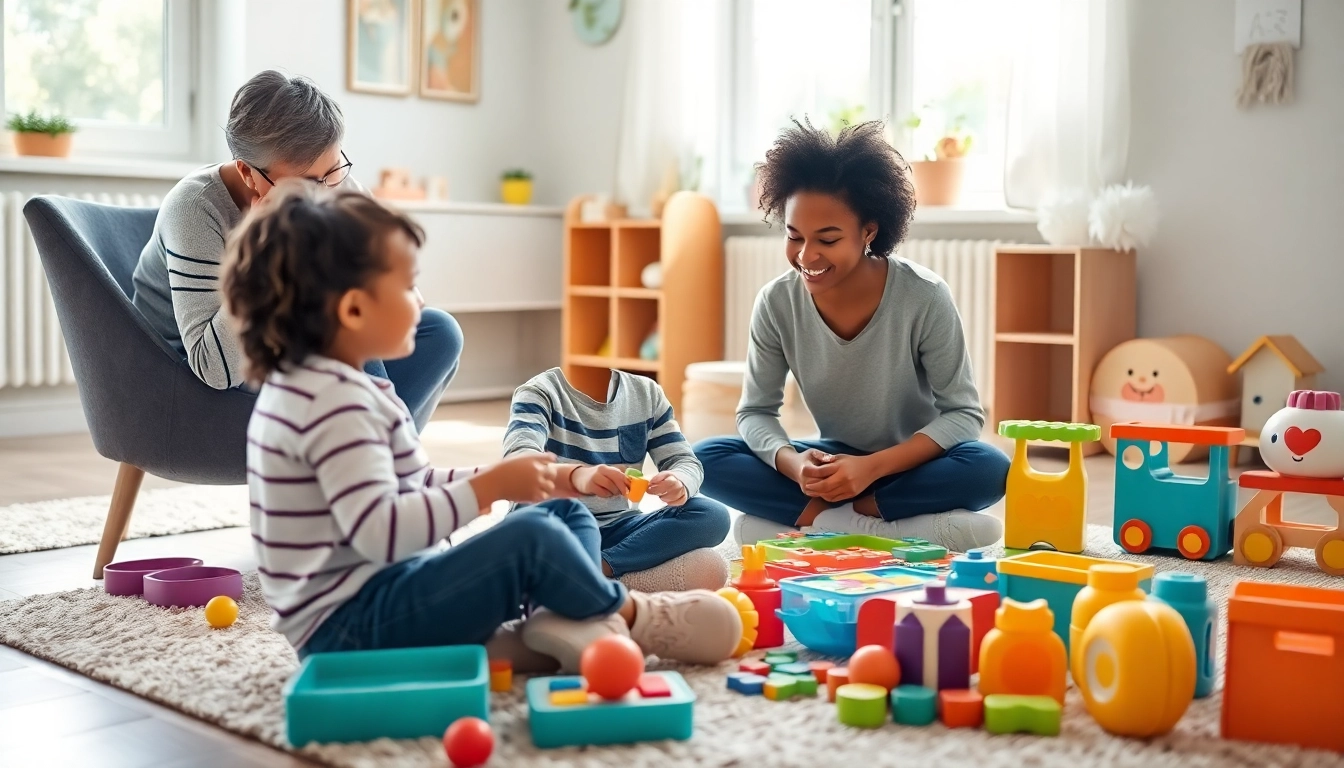
Understanding Play Therapy
Play therapy is a highly effective therapeutic approach that allies with children's natural medium of expression—play. By leveraging this instinctual behavior, trained therapists can facilitate an interpersonal process that aids children in preventing or resolving psychosocial difficulties and reaching optimal growth. To grasp the full potential of Play Therapy, it is essential to explore its definition, historical context, and mechanisms.
What is Play Therapy?
Play therapy is defined as a systematic use of a theoretical model wherein trained therapists utilize the therapeutic power of play to assist children. It specifically targets children usually between the ages of three to eleven, helping them express feelings, confront fears, and develop coping strategies. By engaging through play, children often communicate better than they might with words, expressing complex emotions and experiences that may otherwise be difficult for them to articulate.
Historical Context of Play Therapy
The roots of play therapy can be traced back to the early 20th century, with pioneers like Melanie Klein and Anna Freud emphasizing the importance of play in childhood development. Klein introduced the idea that play could be a means of communication for children, much like verbal communication for adults. This concept evolved through various schools of thought, including child-centered play therapy and cognitive-behavioral approaches, culminating in a rich tapestry of methodologies utilized today. As mental health awareness grew in the latter half of the century, play therapy gained recognition as a valid therapeutic technique for addressing children’s psychological challenges.
How Play Therapy Works
At its core, play therapy operates on the principle that play is the natural language of children. In the therapeutic setting, a safe space is created for children to express themselves freely. Therapists observe and engage with children as they play with various toys and tools, interpreting their behaviors, preferences, and choices during sessions. This can lead to insights about the child’s emotional landscape, unresolved traumas, or developmental concerns. Through this process, the child learns to navigate difficult emotions and social interactions, culminating in personal growth and healing.
Techniques Used in Play Therapy
Types of Play Therapy Approaches
There are several recognized approaches to play therapy, each tailoring the methodology to specific therapeutic goals. The most prevalent include:
- Child-Centered Play Therapy (CCPT): Focuses on giving the child the autonomy to lead the session, allowing for natural expression.
- Directive Play Therapy: Involves structured activities led by the therapist, aimed at promoting specific outcomes or addressing certain issues.
- Sand Tray Therapy: Utilizes a sandbox environment where children can create scenes using miniature figures, representing their internal world imagistically.
- Art Therapy: Integrates creative expression through drawing, painting, or other art forms as a therapeutic medium.
Activities and Techniques in Sessions
Play therapy incorporates a range of activities designed to facilitate emotional expression and communication. Some common activities include:
- Role-playing: Children take on different characters, allowing them to explore feelings and scenarios in a non-threatening environment.
- Storytelling: Through storytelling, children can re-enact their experiences or embed their emotions into narratives, helping them to process and understand these feelings.
- Creative Arts: Activities such as drawing or creating collages provide an outlet for self-expression without the limitations of verbal communication.
Benefits of Using Play in Therapy
The utilization of play in therapy provides numerous benefits, including:
- Improved Communication: Children often find it easier to express emotions and thoughts through play rather than direct verbal communication.
- Increased Emotional Awareness: Play allows children to explore and understand their emotions deeply, paving the way for better emotional regulation.
- Social Skills Development: Through interactive play, children learn vital social skills, such as sharing, cooperation, and conflict resolution.
Play Therapy for Different Needs
Play Therapy for Emotional Challenges
Play therapy is particularly beneficial for children experiencing emotional challenges such as anxiety, depression, and low self-esteem. By allowing children to express their feelings in a playful context, therapists can help them confront and navigate their emotional difficulties. For instance, a child grappling with anxiety might play out scenarios involving fear, which can ultimately empower them to better cope with real-life situations.
Addressing Behavioral Issues with Play Therapy
Children exhibiting behavioral issues often act out as a means of communicating their inner turmoil. Play therapy provides a channel for addressing these behaviors by helping children recognize the underlying emotions driving them. Techniques such as role-playing enable children to rehearse appropriate responses to challenging situations, facilitating the development of better behavioral patterns.
The Role of Play Therapy in Child Development
In addition to addressing specific emotional and behavioral concerns, play therapy supports overall child development. It nurtures cognitive and social skills, enhancing emotional intelligence through play. Engaging with peers or therapists in play allows children to practice empathy, problem-solving, and communication skills. These experiences are instrumental in equipping children for future social interactions and relationships.
Implementing Play Therapy
Tips for Parents and Caregivers
Parents and caregivers play a significant role in the effectiveness of play therapy. Here are some tips to support the process:
- Encourage Play at Home: Facilitate an environment where your child can play freely and express their emotions through various activities.
- Communicate Openly: Talk with your child about their therapy sessions, reinforcing the idea that it’s a safe space to express feelings.
- Be Patient: Progress can be gradual; providing ongoing support and understanding is crucial.
Setting Up a Play Therapy Environment
A dedicated space for play therapy should be safe, welcoming, and reflective of children's needs. A well-equipped space might include:
- Variety of toys that encourage imaginative play.
- Art supplies for creative expression.
- Accessible tools for physical activity, such as a small climbing structure or soft play area.
These elements help children feel comfortable, fostering an atmosphere conducive to healing and growth.
Finding a Qualified Play Therapist
Finding a qualified play therapist is a critical step toward effective therapy. Parents should look for professionals with specialized training in play therapy techniques, understanding child development and therapeutic processes. Credentials may include affiliations with reputable organizations, certifications in play therapy, and substantial experience in working with children.
Frequently Asked Questions about Play Therapy
How effective is Play Therapy for anxiety?
Play therapy has shown significant effectiveness in addressing anxiety in children, helping them articulate fears and develop adaptive coping strategies in a non-threatening environment.
Can Play Therapy help with trauma?
Yes, play therapy is particularly beneficial for children who have experienced trauma, as it allows for indirect expression and processing of traumatic events, enabling healing.
What age groups benefit from Play Therapy?
Play therapy is predominantly suited for children aged 3 to 12, but it can also be adapted for older children and adolescents, depending on their developmental needs.
How long does Play Therapy typically take?
The duration of play therapy varies depending on individual circumstances, but many children engage in weekly sessions for several months, with continued assessments for progress.
Is Play Therapy suitable for adults?
While Play Therapy primarily targets children, adults can benefit from similar techniques, particularly through creative arts and expressive therapies that tap into childhood experiences.