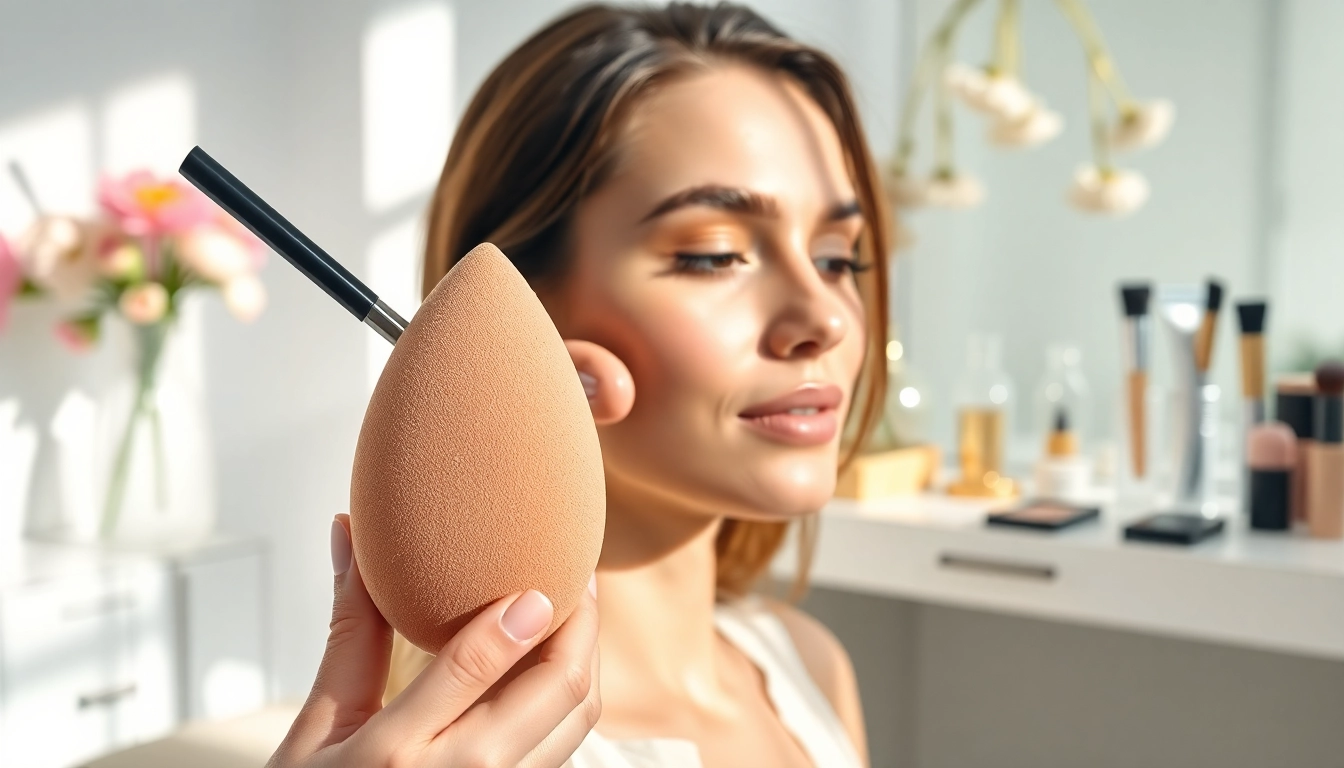
Introduction to Silicone Sponge Makeup
The world of beauty is constantly evolving, and among the most innovative tools to emerge in recent years is the silicone sponge. This game-changing applicator is revolutionizing how makeup enthusiasts apply their products, offering an alternative to traditional sponges and brushes. With its unique structure and properties, the silicone sponge makeup promises a seamless application, less waste, and easier cleaning. In this comprehensive guide, we will explore every facet of silicone sponge makeup, from its origins to practical usage tips, as well as answering common questions about this revolutionary beauty tool.
What is Silicone Sponge Makeup?
The silicone sponge is an applicator designed for the precise application of makeup, particularly foundations, creams, and lotions. Constructed from silicone, these sponges have a smooth, non-porous surface that prevents the absorption of product, allowing for a more efficient and economical approach to makeup application. Unlike traditional sponges that soak up a significant amount of product, silicone sponges keep the makeup on their surface, enabling users to utilize every ounce of their favorite beauty products without wastage.
History and Evolution of Silicone Sponges
Silicone sponges first gained popularity in the beauty community around the mid-2010s. They emerged as a response to the demand for tools that offered better hygiene and efficiency. As makeup trends shifted toward a focus on flawless skin, the need for an applicator that could provide a sheer yet buildable coverage became apparent. Early adopters used silicone sponges not just for applying foundation but also for blending cream blushes and highlighters, quickly establishing the product in makeup kits around the globe.
Why Choose Silicone Over Traditional Sponges?
Choosing silicone over traditional sponges yields several advantages. Firstly, the non-absorbent nature of silicone means that users experience substantially less waste—up to 50% less product is used, as traditional sponges often absorb more than half of what is applied. Secondly, silicone sponges are inherently easier to clean, requiring just a wipe-down with soap and water, making them more hygienic for daily use. Lastly, they offer a unique application technique that can enhance the overall finish of your makeup, providing a polished and airbrushed look.
Benefits of Using Silicone Sponge Makeup
No Product Wastage
One of the standout features of silicone sponges is their ability to reduce product wastage. Since the sponge itself does not absorb liquids or creams, whatever product is placed on it is retained for application. This is particularly beneficial for expensive foundations or specialty products where every drop counts. Users can simply place makeup on the sponge's surface and spread it out evenly on their skin, making full use of their chosen cosmetic without the fear of waste.
Easy Cleaning and Maintenance
Cleaning a silicone sponge is a breeze compared to its traditional counterparts. Unlike regular sponges that stain and harbor bacteria, silicone sponges can be effortlessly cleaned with a few drops of soap and water. For a quick refresh, they can be wiped down with a makeup remover or cleansing wipe, making them ideal for travel and on-the-go touch-ups. This ease of maintenance ensures that silicone sponges remain hygienic, minimizing the risk of breakouts or skin irritations.
Versatile Application Techniques
The versatility of silicone sponges allows for various application techniques. Users can opt for a dabbing motion for sheer coverage or use a gentle swipe for more polished looks. Silicone sponges can also be used for applying cream blushes, highlighting products, and even eyeshadows. This adaptability makes them a favorite among makeup artists who appreciate a tool that can perform multiple functions with ease.
How to Use Silicone Sponge Makeup Effectively
Step-by-step Guide to Application
- Prep Your Skin: Begin with a clean and moisturized face to ensure the makeup applies smoothly.
- Apply Foundation on Sponge: Place a small amount of liquid foundation on the silicone sponge’s surface.
- Use a Dabbing Motion: Gently dab the sponge on the desired areas of the face, focusing on the central area and working outward for even coverage.
- Blend in Circular Motions: Use circular motions to blend the foundation seamlessly into the skin for a natural finish.
- Repeat as Necessary: Add more foundation to achieve the desired coverage, ensuring to use clean sides of the sponge as needed.
Common Mistakes to Avoid
- Using Too Much Product: A little goes a long way with silicone sponges. Start with a small amount and gradually build coverage.
- Skipping Skin Prep: Neglecting to prep the skin can lead to uneven application. Always moisturize beforehand.
- Using Excessive Pressure: While silicone sponges are durable, avoid pressing too hard — let the sponge do the work.
Tips for Optimal Results
For the best results with your silicone sponge, consider these tips:
- Keep your sponge clean between uses to avoid build-up and ensure a flawless finish.
- Experiment with different foundation formulas to find which works best with your silicone sponge.
- Utilize the flat edge of the sponge for larger areas, and the tip for precision application around the eyes and nose.
Comparing Silicone Sponge Makeup to Other Applicators
Silicone Sponges vs. Beauty Blenders
Beauty Blenders are porous and designed to absorb foundation, while silicone sponges are non-absorbent. This fundamental difference affects application and the amount of product absorbed into the sponge. Many users prefer silicone sponges for their affordability and the minimal product waste they incur, whereas Beauty Blenders may offer a different texture or finish based on their design and materials.
Silicone Sponges vs. Brushes
While brushes can provide a more detailed finish, silicone sponges excel at creating a smooth, airbrushed look. Brushes may leave streaks, and the bristles can trap product, leading to waste. Silicone sponges, on the other hand, offer an even distribution and minimize product absorption, making clean-up quicker and less complicated.
Choosing the Right Tool for Your Makeup Style
Your choice of applicator ultimately depends on your personal makeup style and preferences. If you enjoy a lightweight finish with minimal waste, silicone sponge makeup may be ideal. For full coverage or specific detailing work, you might still incorporate brushes into your routine, utilizing both tools as necessary for a flawless look.
Frequently Asked Questions about Silicone Sponge Makeup
Are silicone sponges better for makeup?
Yes, silicone sponges prevent product absorption, resulting in less waste, while offering a unique finish. Many find them more efficient than traditional sponges.
How do I clean my silicone sponge effectively?
Simply wash your silicone sponge with soap and warm water, or use a makeup wipe for quick cleaning. Rinse thoroughly and let air dry for reuse.
Can silicone sponge makeup be used for all types of foundations?
Yes, silicone sponges work well with liquid, cream, and even some powder formulations. Test different foundations to find the best match for your skin.
What are the best brands of silicone sponges?
While many brands offer quality silicone sponges, look for those that provide excellent construction and user reviews to ensure you get the best product.
How long do silicone sponges typically last?
With proper care, silicone sponges can last for several months, if not longer, making them a sustainable choice for your beauty routine.