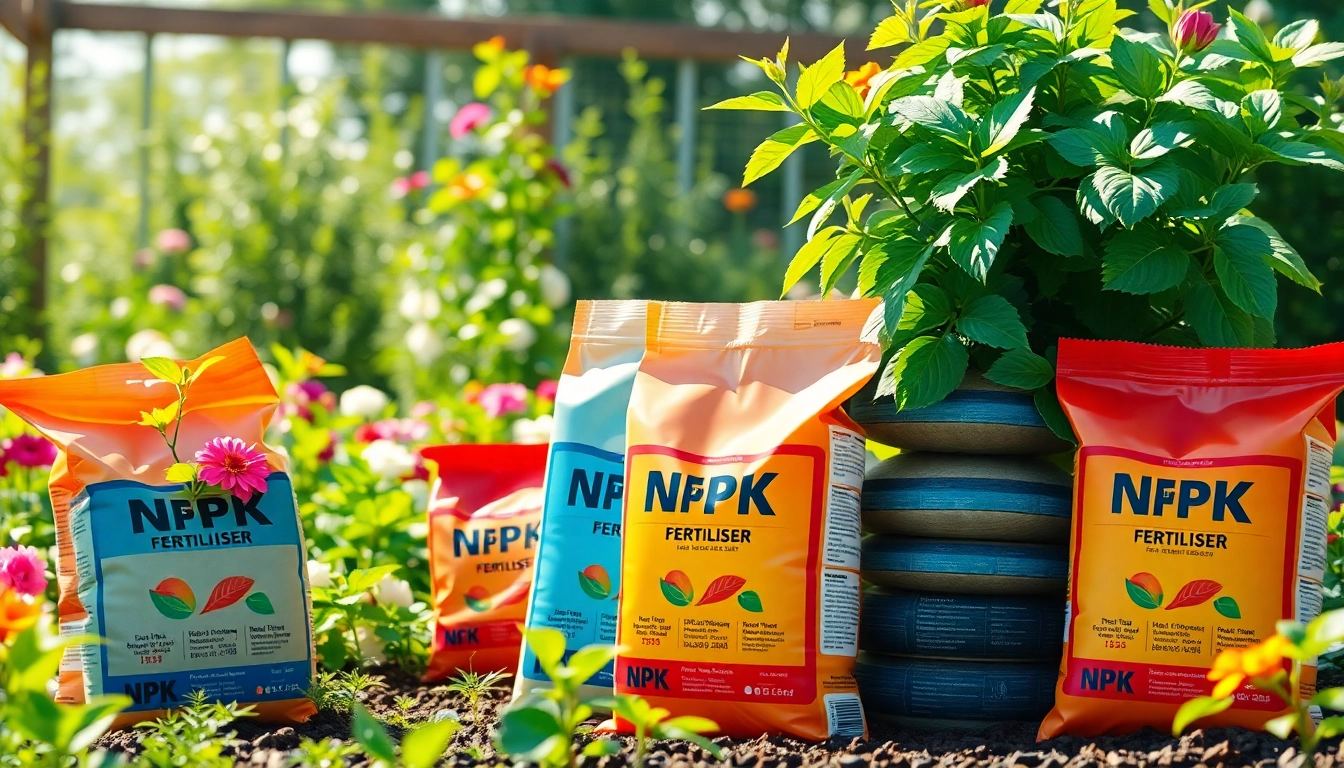
Understanding NPK Fertiliser
What is NPK Fertiliser?
NPK Fertiliser is a quintessential component of gardening and agriculture, pivotal for nurturing plant health and optimizing growth. The acronym 'NPK' represents three critical nutrients: nitrogen (N), phosphorus (P), and potassium (K). Each of these nutrients plays a unique role in plant development. Nitrogen is essential for leaf growth, phosphorus aids in root and flower development, and potassium enhances overall plant health and resilience to pests and diseases.
These nutrients can typically be found either in organic forms, such as bone meal and compost, or synthetic combinations engineered to deliver precise nutrient ratios. By adjusting these ratios based on the specific needs of the soil and plants, gardeners can effectively tailor their fertilization strategies. For those interested in exploring a range of options, check out our selection of NPK Fertiliser.
Benefits of Using NPK Fertiliser
Utilizing NPK Fertiliser offers several advantages that culminate in healthier plants and more bountiful yields:
- Balanced Nutrition: NPK Fertiliser provides a well-rounded nutritional profile that can address the specific needs of various plants, improving their overall health.
- Improved Growth Rates: With adequate nitrogen, phosphorus, and potassium, plants demonstrate enhanced growth, leading to quicker maturation and higher productivity.
- Soil Health Enhancement: Regular use of NPK Fertiliser contributes to soil fertility by replacing depleted nutrients and promoting microbial activity.
- Ease of Use: Many NPK formulations are simple to apply, either through granular or liquid formats, making it accessible even for novice gardeners.
- Cost-Effectiveness: Using NPK Fertiliser can yield significant returns on investment through improved crop quality and yield.
Types of NPK Fertiliser Available
NPK Fertilisers come in various formulations, each designed for specific gardening needs:
- Granular Formulations: These are widely used for their slow-release properties, allowing for extended nutrient availability over time.
- Liquid Fertilisers: Suitable for quick absorption, liquid NPK formulations can rapidly supply nutrients to plants, ideal for fast-growing species or immediate nutrient deficiencies.
- Organic NPK Fertiliser: Derived from natural sources, these options often enhance soil structure and microbiome while delivering essential nutrients.
- Specialty Blends: Tailored for specific types of plants, these blends tweak the NPK ratios according to the nutritional needs of flowers, vegetables, or lawns.
How to Choose the Right NPK Fertiliser
Assessing Soil Nutrient Needs
Before selecting an NPK Fertiliser, it's crucial to evaluate the nutrient composition of your soil. Conducting soil tests can reveal existing nutrient levels and pH balance, informing your choice of fertiliser. This step ensures that you do not over-fertilize and potentially harm the plant while maximizing your investment in fertiliser.
Understanding NPK Ratios
The NPK ratio indicates the percentage of each nutrient contained in a fertiliser. For example, a fertiliser labeled as 10-20-10 contains 10% nitrogen, 20% phosphorus, and 10% potassium. Understanding these ratios helps gardeners match their fertiliser choices to plant requirements—higher nitrogen is ideal for leafy greens, while more phosphorus supports flowering plants.
Matching Fertiliser to Plant Type
Different plants have varying nutrient needs, so matching your NPK Fertiliser to the type of plant is key:
- Leafy Vegetables: Opt for higher nitrogen content.
- Flowering Plants: Choose formulas with elevated phosphorus levels for robust blooms.
- Root Vegetables: A balanced NPK ratio often works best to support root growth.
Application Methods for NPK Fertiliser
When to Apply NPK Fertiliser
Timing is critical when applying NPK Fertiliser. Factors that determine the right moment include:
- The growth cycle of the plant: Fertiliser should coincide with key growth stages such as planting, budding, and flowering.
- Weather conditions: Avoid application during heavy rains to prevent runoff and nutrient loss.
- Soil moisture levels: Fertiliser is best absorbed when soil is moist, so consider the timing of watering.
Best Practices for Application
To ensure maximum effectiveness of NPK fertiliser, it’s important to follow best application practices:
- Read Instructions: Follow manufacturer guidelines regarding dosage and frequency.
- Use Proper Techniques: When applying granular types, spread evenly to avoid burning plants.
- Water After Application: For granular fertilisers, watering can help dissolve the nutrients and facilitate absorption by the roots.
Combining with Other Nutrients
NPK Fertiliser can be effectively combined with other nutrients such as calcium, magnesium or micronutrients to optimize plant health. Soil tests can indicate the necessity for these additional elements, allowing you to create a balanced nutrient profile that supports robust growth.
Measuring the Impact of NPK Fertiliser
Signs of Successful Growth
After applying NPK Fertiliser, monitor for signs of healthy plant growth. Look for:
- Vibrant, lush greenery indicating robust nitrogen levels.
- Flowering and fruiting consistency showing effective phosphorus uptake.
- General vitality and resistance to diseases indicating balanced potassium levels.
Monitoring Plant Health Over Time
It's essential to keep track of plant health and growth metrics. Regular monitoring through visual assessments, growth rate tracking, and periodic soil testing will reveal how effective your fertilisation strategies are and indicate adjustments if necessary.
Adjusting Fertilisation Strategies
Based on your observations, be prepared to modify your fertilisation approach. This could mean changing the NPK ratio you use, switching from granular to liquid forms, or altering how often you apply fertiliser. Flexibility is key to maintaining your garden's health.
Common FAQs About NPK Fertiliser
How does NPK Fertiliser affect plant growth?
NPK Fertiliser supplies essential nutrients that support vital growth processes, dramatically enhancing plant health, vigor, and productivity.
Can NPK Fertiliser be harmful to plants?
Yes, excessive application can lead to nutrient burn or imbalances, making it crucial to follow recommended guidelines and conduct soil tests.
How often should I apply NPK Fertiliser?
This depends on plant needs and soil nutrient status; typically, every 4-6 weeks during active growth is recommended, but always follow specific instructions.
Is there a difference between organic and synthetic NPK Fertiliser?
Organic fertilisers are derived from natural sources and contribute to soil health, while synthetic versions usually provide quick nutrient availability
What are the environmental impacts of using NPK Fertiliser?
Improper use can lead to nutrient runoff into water systems, which may cause algal blooms and other environmental issues, highlighting the need for responsible application.