Understanding Real Estate Photography
Definition of Real Estate Photography
Real Estate Photography is a specialized field focusing on capturing properties in a manner that showcases their aesthetic and practical value. It involves using various photographic techniques to highlight the unique features of residential and commercial spaces, making them more appealing to potential buyers. Effective photographs can convey the mood and character of the property, allowing viewers to visualize living or working there.
Benefits for Real Estate Agents and Sellers
The value of high-quality photography in real estate cannot be overstated. For real estate agents and sellers, stunning images can significantly enhance listings, attract potential buyers, and expedite sales. Properties with professional photographs typically receive 61% more views online, and listings featuring high-quality images sell 32% faster than those with average visuals. In today’s digital marketplace, where first impressions are crucial, investing in professional Real Estate Photography can make a substantial difference in the competitiveness of a property.
Common Techniques Used in Real Estate Photography
Real Estate Photography encompasses various techniques tailored to showcase both interior and exterior spaces effectively. Common methods include HDR photography, which balances exposure levels in contrasting light situations; aerial photography, which offers a broader perspective; and wide-angle shots that capture more of the space in a single frame. These techniques, when executed thoughtfully, can create compelling visuals that encapsulate the essence of the property.
Essential Equipment for Real Estate Photography
Cameras and Lenses Best Suited for Real Estate Photography
The backbone of any successful photography project is high-quality equipment. For Real Estate Photography, it's essential to use a camera that performs well in varying light conditions and allows for creative flexibility. Full-frame cameras are often recommended due to their larger sensors and superior image quality. Lenses play a crucial role as well; wide-angle lenses, typically ranging from 14mm to 24mm, are ideal for capturing entire rooms and maximizing space perception.
Tripods and Lighting Gear for Optimal Shots
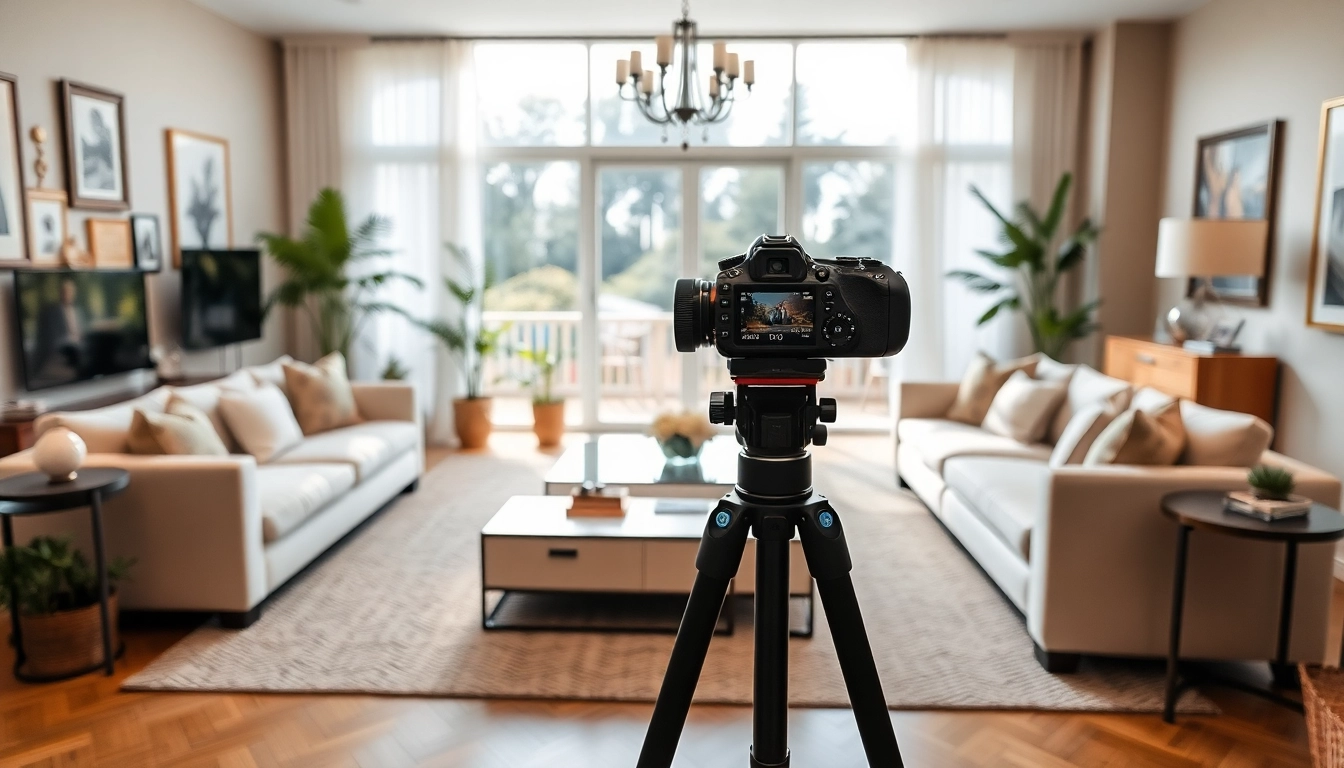
Stability is vital in Real Estate Photography. A sturdy tripod helps avoid camera shake, especially in low light conditions or during long exposures. Furthermore, additional lighting gear, such as external flash units or continuous lights, can help enhance indoor scenes, making them brighter and more visually appealing without creating harsh shadows.
Post-Processing Tools to Enhance Your Images
Post-processing is a critical phase in Real Estate Photography. Utilizing software like Adobe Lightroom and Photoshop allows photographers to correct exposure issues, adjust color balance, and enhance image details. Common adjustments include sharpening, noise reduction, and lens correction to ensure that the final photographs present the property in its best light.
Planning Your Real Estate Photography Session
Preparing Properties for Photography
Proper preparation is key to successful photography sessions. Sellers should declutter and depersonalize spaces to create a neutral backdrop that allows buyers to imagine themselves in the space. Additionally, cleaning windows, arranging furniture, and optimizing lighting can dramatically improve photo quality. A well-prepared property not only looks more attractive but also reflects positively on the seller's commitment to the sale.
Creating a Shot List to Maximize Efficiency
Before the photo shoot, creating a comprehensive shot list can streamline the process and ensure that no crucial angles or features are overlooked. The list should categorize shots by room, highlighting important elements like kitchens, bathrooms, and outdoor spaces. This organized approach allows for a more efficient workflow and helps the photographer capture all necessary images in a timely manner.
Best Times for Shooting Real Estate Photography
Lighting plays a pivotal role in photography quality. The ideal time to shoot real estate photographs is during the golden hour—shortly after sunrise or before sunset—when natural light is soft and flattering. Overcast days can also provide good lighting conditions by eliminating harsh contrasts. Planning photography sessions around optimal lighting conditions leads to better results.
Techniques to Elevate Your Real Estate Photography
Using Natural Light Effectively
Leveraging natural light effectively can create vibrant and inviting photographs. Photographers should observe how light enters the space at different times of day and position themselves accordingly. Using sheer curtains can diffuse harsh sunlight, while opening blinds can invite light into darker rooms. The strategic use of natural light enhances the overall ambiance in photos.
Staging Tips for Various Property Types
Staging is essential for real estate photography success. For residential properties, decluttering, rearranging furniture, and adding aesthetically pleasing elements, such as throw pillows or plants, can beautify the space. Commercial properties may require a focus on functionality and professionalism, ensuring that spaces appear inviting and practical for potential clients or tenants.
Incorporating Aerial Photography for Unique Perspectives
Aerial photography offers a distinctive viewpoint, showcasing the property's surroundings and lot size, which is particularly valuable for larger estates or unique locales. Utilizing drones can capture stunning overhead shots, but it's important to adhere to local regulations when operating UAVs. Aerial images can elevate the perceived value and attractiveness of a property.
Marketing Your Real Estate Photography Business
Building an Online Portfolio and Social Media Presence
In the digital age, having a strong online presence is vital for real estate photographers. Creating a visually appealing portfolio that showcases your best work is paramount. Social media platforms like Instagram and Pinterest work well for enticing potential clients with high-quality visuals. Consistently posting recent work and engaging with followers can help build a recognizable brand.
Networking with Real Estate Professionals
Building relationships with real estate agents, brokers, and agencies is crucial for sourcing clients and referrals. Attending industry events, joining local real estate associations, and participating in community activities can foster connections. Being an active, visible member of the real estate community will increase visibility and credibility, making it easier to secure jobs in a competitive market.
Setting Competitive Pricing for Real Estate Photography Services
Pricing your services competitively is essential for attracting clients while ensuring profitability. Research local market rates and consider factors like experience level, package offerings, and the complexity of shoots. Offering tiered packages can accommodate different budgets, helping clients choose the right services according to their needs and expectations.
FAQs about Real Estate Photography
What does a typical Real Estate Photography session include?
A standard session usually includes interior and exterior shots, capturing key features and common areas, with professional editing post-shoot to enhance image quality.
How long does it take to receive the final images?
Typically, clients can expect the final edited images within 24 to 48 hours after the photography session.
What equipment is essential for Real Estate Photography?
A good DSLR or mirrorless camera, wide-angle lenses, a sturdy tripod, and a light source such as flashes or softboxes are essential for optimal shots.
How can I prepare my property for a photo shoot?
Declutter, clean, and stage your property. Focus on maximizing natural light and highlighting unique features, ensuring it looks inviting.
Is post-processing important in Real Estate Photography?
Yes, post-processing enhances images through color adjustments, exposure corrections, and minor retouching, making them more appealing to potential buyers.