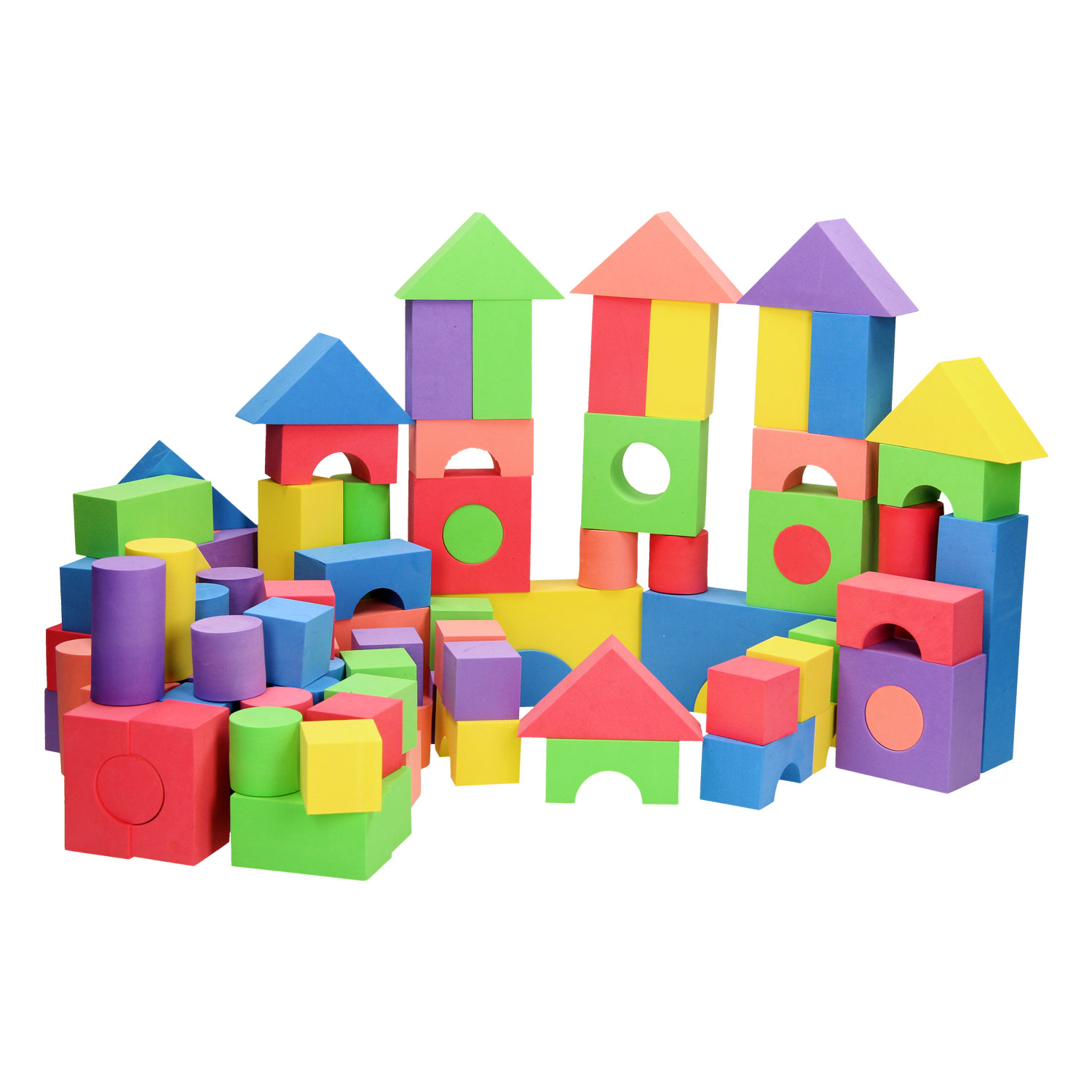
Introduction to Giant Building Blocks
What are Giant Building Blocks?
Giant building blocks are oversized, lightweight, and colorful building materials designed specifically for children and adults to create imaginative structures. These blocks can be made from a variety of materials, including foam and plastic, ensuring they are safe and easy to handle for people of all ages. Unlike traditional building blocks, giant versions provide a unique tactile experience that encourages imagination, creativity, and collaborative play. Their larger size makes them suitable for an array of activities, whether indoors or outdoors, making them a versatile choice for various play environments.
Benefits for Children and Adults
The benefits of giant building blocks extend beyond just simple entertainment. For children, these blocks can bolster physical, cognitive, and social skills. The act of stacking, balancing, and creating can improve fine motor skills and hand-eye coordination, crucial for their development. Additionally, as children build and design structures, they engage in problem-solving and critical thinking, laying the groundwork for future learning. Adults, too, can find joy in using these blocks as they promote teamwork, relaxation, and stress relief. Adults can benefit from the physical activity involved, as well as the mental stimulation from creative problem-solving during play.
Choosing the Right Blocks for Play
When selecting giant building blocks, it’s essential to consider factors such as material safety, size, and intended use. Foam blocks are excellent for younger children due to their lightweight nature and soft edges, minimizing the risk of injury. For older children and adults, more durable plastic or wooden blocks might be more suitable for complex structures. Checking for compliance with safety standards ensures that the blocks are free from harmful chemicals and are designed with safety in mind. Furthermore, opt for sets that encourage collaborative play, allowing multiple users to engage and create together.
Inspiring Imagination and Play
How to Foster Creativity with Building Blocks
Fostering creativity with giant building blocks can be achieved by providing guidance while allowing freedom of expression. Encourage open-ended play by setting up challenges that require innovative thinking, like creating a castle, spaceship, or bridge. Integrating storytelling with building activities can also spark the imagination—ask children to tell a story about the structures they create, which will enhance their language skills. Use prompts and themes to inspire builders, but always leave room for personal interpretation and creativity.
Games and Activities to Get Started
To maximize engagement, consider various games and activities designed around building blocks. Set up building competitions where participants must complete a structure under time constraints, promoting not only creativity but healthy competition. Organize cooperative games where teams collaborate to build a unified structure, emphasizing teamwork and communication. Activities such as block relays, where participants carry blocks across a room while building, can lead to laughter and physical activity, blending fun with skill-building.
Sharing Ideas: A Community for Builders
Building a community around giant building blocks can enhance the play experience significantly. Create opportunities for builders to share ideas and showcase their creations. Consider setting up local events or online forums where participants can exchange tips, inspiration, and techniques. Engaging in platform communities or social media groups dedicated to building block enthusiasts can yield a treasure trove of creativity and innovation, connecting builders of all ages and skill levels.
Safety Considerations for Indoor Adventures
Understanding Material Safety Standards
When selecting giant building blocks, safety is paramount. It’s crucial to understand the material safety standards applicable to their construction. Look for blocks that are labeled non-toxic, hypoallergenic, and free from BPA or phthalates—substances that can have harmful effects. Familiarizing yourself with safety certifications like ASTM or EN71 can also provide assurance that the toys meet recognized safety guidelines. Ensuring that your blocks meet these safety standards will protect both children and adults during all building activities.
Setting Up a Safe Play Environment
Creating a safe environment for play is essential for maximizing enjoyment and minimizing risks. Designate a specific area for building activities, ensuring that the space is free from hazards. Using soft mats or carpets can help cushion any falls, while also providing a comfortable surface to build on. Ensure that any furniture or obstacles are removed from the vicinity to prevent accidents. Clearly define boundaries of the play area to keep play contained and safe.
Supervising Playtime Effectively
Effective supervision plays a vital role in ensuring safety during playtime. Adults should actively participate in play, guiding children on how to play safely. Encourage children to communicate their ideas and seek help when needed, fostering a supportive environment that prioritizes safety. Establish playground rules, such as no pushing and always building lower than shoulder height, to minimize the risk of injuries. By actively supervising, adults can facilitate an enjoyable and secure playtime experience.
Building Skills Through Play
Developmental Benefits of Building Block Play
Playing with giant building blocks offers numerous developmental benefits across multiple domains. Cognitive skills such as spatial awareness are enhanced as children learn how different shapes fit together. Social skills develop as children work together, learn to negotiate, and share ideas. Emotional development is fostered as children express themselves through their creations, offering a medium for self-exploration. Physical development is also significant; manipulating large blocks encourages gross motor skills and coordination.
Encouraging Teamwork and Collaboration
Collaboration is a fundamental aspect of building with giant blocks. Setting up team projects encourages sharing of ideas and mutual respect, essential parts of teamwork. Assign specific roles to each member during collaborative projects, such as architect, builder, or designer, to help participants engage actively and feel valued. Demonstrating successful teamwork in building also fosters essential life skills, including communication, negotiation, and conflict resolution.
Integrating Learning in Playtime Activities
Incorporating educational elements into building block play can turn fun into learning opportunities. Introduce themes based on science, technology, engineering, and mathematics (STEM) for educational projects. For example, children can explore engineering principles by creating bridges or towers and testing their stability. Use math lessons for counting and calculating dimensions of blocks, or encourage scientific inquiry by discussing balance and gravity. These integrated learning experiences will enhance understanding while making learning enjoyable.
Conclusion and Additional Resources
Recap of Key Benefits
In summary, giant building blocks are an incredible resource for fostering creativity, developing essential skills, and encouraging safe play for children and adults alike. They offer extensive cognitive, physical, and social benefits, with opportunities for collaboration and learning intricately woven into playtime. When chosen wisely and used in a safe environment, these blocks can lead to hours of fun and development.
Links to Online Communities and Tutorials
Engaging with communities dedicated to building blocks can provide valuable resources and inspiration. Various online platforms offer tutorials, project ideas, and forums that allow builders of all skill levels to interact. Such communities are excellent for nurturing creativity and encouraging builders to take their skills to new levels.
Where to Find More Information on Blocks
For those seeking additional information, there are numerous resources available online, including websites, blogs, and social media accounts dedicated to giant building blocks. Exploring these resources helps builders discover new techniques, connect with others, and share their creative journeys within the vibrant world of building.
Frequently Asked Questions
What age group are giant building blocks suitable for?
Giant building blocks are suitable for all ages, from toddlers to adults. Smaller children may prefer foam blocks, while older kids and adults can enjoy more robust materials like wood or plastic.
Are giant building blocks safe for indoor play?
Yes, as long as the blocks meet safety standards, they are safe for indoor play. It is essential to create a designated play area to minimize risks.
Can giant building blocks enhance learning?
Absolutely! They can promote STEM learning through hands-on projects, foster creativity, and improve social skills through teamwork and collaboration.
How can I clean giant building blocks?
Cleaning methods depend on the block material. Generally, mild soap and water are effective for most plastic and foam blocks; ensure they are dried thoroughly before storage.
What types of activities can I do with giant blocks?
Activities can include competitive building challenges, cooperative projects, themed creations, and even storytelling to enhance imaginative play and learning.