Understanding the Fertility Diet
What is a Fertility Diet?
The fertility diet is a nutritional plan aimed at maximizing reproductive health. This approach tailors the intake of food to help individuals improve their chances of conception, sustain a healthy pregnancy, and enhance overall well-being. While there's no universally recognized fertility diet, various studies suggest that certain dietary patterns can positively impact fertility for both men and women.
Why the Fertility Diet Matters
Diet plays a critical role in reproductive health. Emerging research indicates that specific food choices can influence hormone levels, fertility rates, and overall health. For women, a balanced diet can help improve ovarian function and egg quality, while for men, it can improve sperm quality and motility. Emphasizing nutrient-dense foods can also mitigate the risk of chronic diseases that might indirectly affect fertility.
Key Nutrients to Support Reproductive Health
Key nutrients that support reproductive health include:
- Folic Acid: Essential for DNA synthesis and cell division. Found in leafy greens, beans, and fortified cereals.
- Omega-3 Fatty Acids: Help regulate testosterone and support reproductive health. Present in fish like salmon, flaxseeds, and walnuts.
- Zinc: Important for hormone production and fertility. Rich sources include meat, shellfish, legumes, and seeds.
- Iron: Vital for healthy ovulation and embryo development. Obtainable from red meat, poultry, lentils, and spinach.
- Antioxidants: Protect reproductive cells from oxidative stress. Found in fruits, vegetables, nuts, and whole grains.
Essential Food Groups in the Fertility Diet
Fruits and Vegetables: Nature's Superfoods
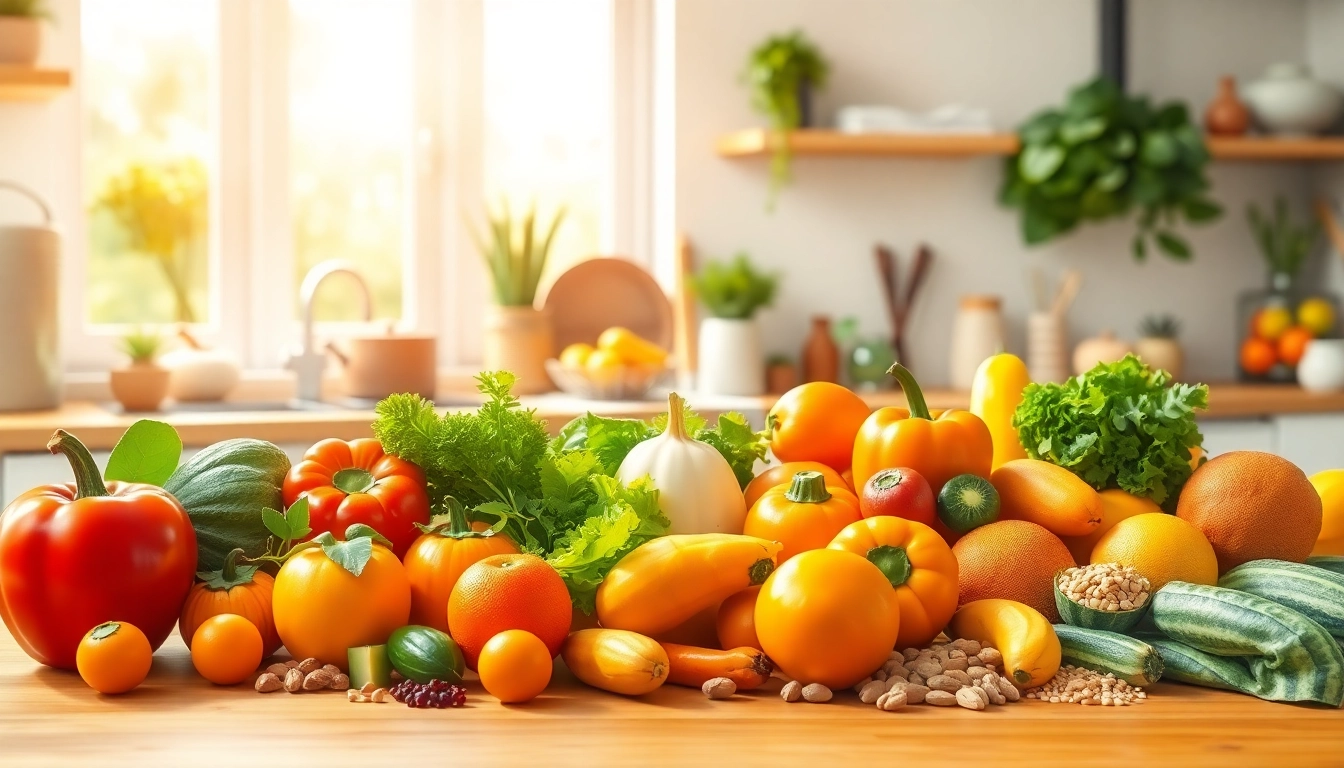
Fruits and vegetables are rich in essential vitamins, minerals, and antioxidants. They help reduce inflammation, provide dietary fiber for digestive health, and foster a healthy hormonal environment:
- Leafy Greens: Spinach, kale, and Swiss chard are excellent for their folate content.
- Berries: Blueberries and strawberries are high in antioxidants, which can aid in reducing cellular stress.
- Citrus Fruits: Oranges and lemons provide vitamin C, crucial for hormone balance.
Whole Grains: Energy and Sustenance
Whole grains like brown rice, quinoa, and whole wheat provide complex carbohydrates, which are essential for maintaining steady energy levels throughout the day. They are also rich in fiber, which aids in digestion and helps manage hormone levels:
- Quinoa: A complete protein and excellent source of iron.
- Brown Rice: Helps provide essential nutrients and keeps blood sugar levels stable.
- Oats: Beneficial for their fiber content, aiding in digestive health and overall well-being.
Healthy Fats: Boosting Hormonal Balance
Incorporating healthy fats is essential for hormonal balance. Foods rich in monounsaturated and omega-3 fatty acids can help regulate reproductive hormones:
- Avocados: High in monounsaturated fats and fiber, promoting heart health and reducing systemic inflammation.
- Olive Oil: A staple of the Mediterranean diet, rich in healthy fats and antioxidants.
- Nuts and Seeds: Almonds, chia seeds, and walnuts are all high in omega-3s and other vital nutrients.
Meal Planning for the Fertility Diet
Creating Balanced Plates
Creating balanced meals is essential for those following a fertility diet. Aim to fill your plate with a variety of nutrients by incorporating foods from all food groups:
- Start with a protein source (e.g., lean meats, beans, tofu).
- Add a serving of whole grains (e.g., brown rice, quinoa).
- Include a variety of colorful fruits and vegetables for vitamins, minerals, and antioxidants.
- Drizzle with healthy fats such as olive oil or avocado.
Sample Fertility Diet Meal Plans
Creating varied meal plans can help maintain nutritional balance and keep meals enjoyable. Here is a sample day:
Breakfast:
- Oatmeal topped with fresh berries and walnuts.
- A glass of fresh orange juice.
Lunch:
- Quinoa salad with mixed vegetables, chickpeas, and a lemon-olive oil dressing.
- A side of sliced avocado.
Dinner:
- Grilled salmon served with steamed broccoli and brown rice.
- A mixed leaf salad with nuts and olive oil dressing.
Tips for Grocery Shopping
Effective grocery shopping can enhance adherence to a fertility diet. Follow these tips:
- Make a list before shopping to avoid impulse purchases.
- Shop the perimeter of the store where fresh produce, meats, and dairy are usually located.
- Opt for organic produce when possible to reduce pesticide exposure.
- Consider purchasing bulk items to save costs on staples like grains, nuts, and seeds.
Impact of Lifestyle on Fertility
Physical Activity and Its Role
Regular physical activity contributes to a healthy body weight, which is vital for fertility. Engaging in moderate exercise can help maintain hormonal balance and improve blood circulation. Activities such as walking, swimming, and yoga can be beneficial. However, it's essential to avoid excessive exercise, which can lead to hormonal imbalances.
Stress Management Techniques
Chronic stress can negatively impact fertility. Implementing stress management techniques such as mindfulness, meditation, and deep-breathing exercises can enhance overall well-being. Engaging in hobbies, spending time with loved ones, and seeking professional help if necessary can also mitigate stress levels.
Avoiding Harmful Substances
Minimizing exposure to harmful substances is crucial for maintaining fertility. This includes avoiding smoking, limiting alcohol intake, and reducing exposure to environmental toxins. Choosing organic foods can also lower pesticide exposure, which has been linked to adverse reproductive outcomes.
Frequently Asked Questions About the Fertility Diet
What foods should I eat to enhance fertility?
Focus on fruits, vegetables, whole grains, lean proteins, and healthy fats. Foods like salmon, nuts, legumes, and leafy greens can significantly support reproductive health.
Can a fertility diet help with hormone balance?
Yes, a well-balanced diet rich in healthy fats, proteins, and complex carbohydrates can positively influence hormone production and balance in both men and women.
Is the fertility diet suitable for men as well?
Absolutely! A fertility diet can benefit men by improving sperm quality and overall health, leading to better reproductive outcomes.
How long does it take to see results from the fertility diet?
Results vary per individual, but generally, a few months of following a fertility diet may lead to improved health markers and reproductive function.
Are there any foods to avoid on a fertility diet?
Avoid processed foods, trans fats, excessive sugar, and high-caffeine beverages. These can negatively impact fertility and overall health.