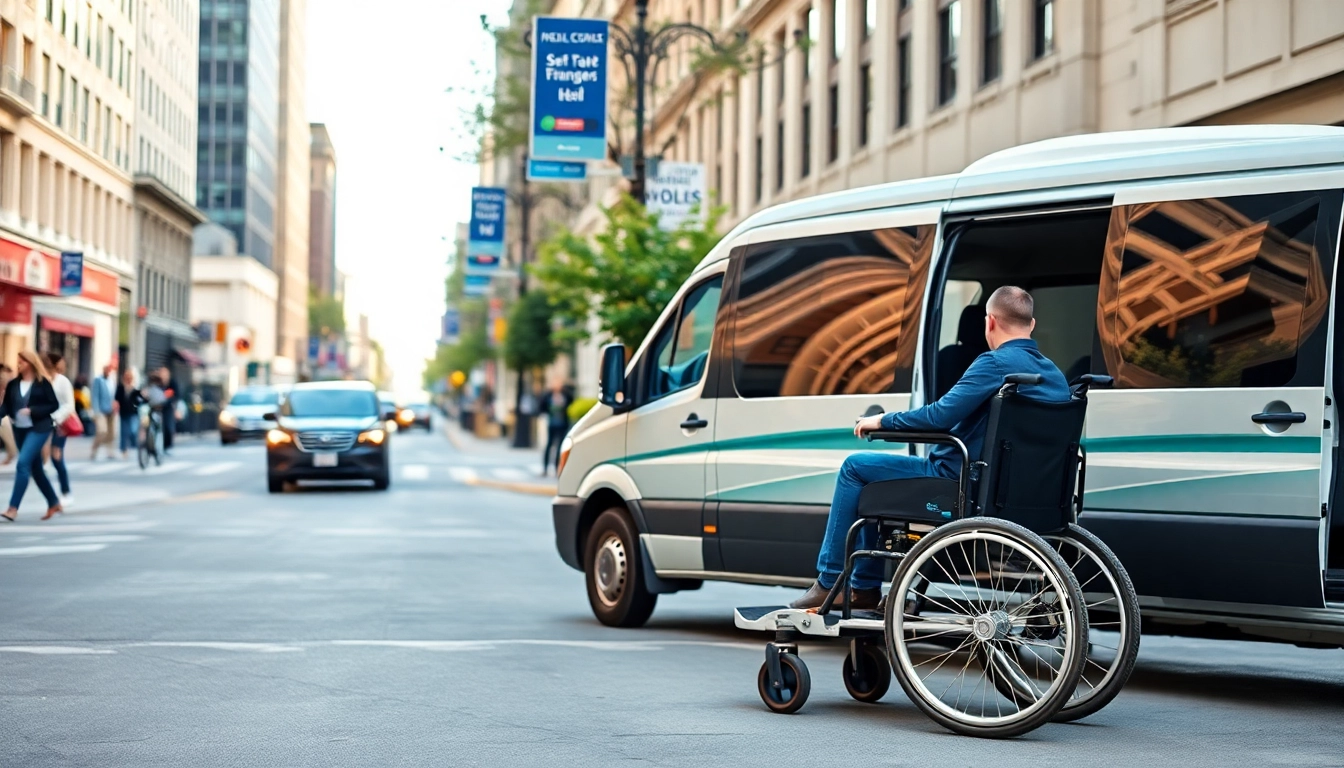
Understanding Disability Transport Services
Definition and Purpose
Disability transport services refer to specialized transportation options designed to meet the unique needs of individuals with disabilities. These services aim to provide safe and reliable mobility solutions, ensuring that those who face physical, cognitive, or sensory challenges have access to essential activities such as medical appointments, social engagements, and educational opportunities. By focusing on accessibility and assistance, these services cater to the diverse requirements of their users.
Types of Services Available
Disability transport services encompass a wide range of transportation types, ensuring that every individual's needs are addressed. The main categories include:
- Non-Emergency Medical Transportation (NEMT): A service designed to transport individuals to medical appointments without requiring an ambulance.
- Wheelchair Accessible Transportation: Vehicles equipped with ramps or lifts, facilitating easy access for wheelchair users.
- Door-to-Door Services: A personalized transport option where drivers assist passengers from their doorstep to their destination, ensuring a safe journey.
- Shared-Ride Services: Cost-effective options that allow multiple individuals to travel to similar locations, enhancing community involvement.
- Specialized School Transport: Tailored services for students with disabilities, ensuring safe transit to and from educational institutions.
Key Benefits for Users
The primary objective of disability transport services is to empower individuals with disabilities, and their benefits are manifold:
- Increased Independence: By providing reliable transportation, users are better able to manage their daily lives, promoting autonomy.
- Access to Essential Services: These services bridge the gap between individuals and essential healthcare, employment, and social activities.
- Enhanced Safety: Trained professionals ensure that users have a safe transport experience, equipped to meet their unique needs.
- Emotional Well-Being: Reduced isolation from the community promotes mental health, encouraging social interaction.
Who Can Benefit from Disability Transport Services
Individuals with Mobility Challenges
Individuals facing physical mobility challenges often struggle with traditional transport options, which may not accommodate their specific needs. Disability transport services offer tailored solutions, such as wheelchair accessibility and the assistance of trained drivers, ensuring they can leave their homes for appointments, social gatherings, or leisure activities.
Elderly and Seniors
Senior citizens, particularly those with age-related disabilities, can significantly benefit from specialized transport services. These services not only facilitate access to medical appointments and social events but also contribute to their overall quality of life by maintaining independence and social connections, which are detrimental to mental health.
Caregivers and Family Support
Family members and caregivers often shoulder the responsibility of transporting individuals with disabilities. By utilizing disability transport services, they can alleviate some of their transportation burdens, gaining peace of mind that their loved ones are receiving the appropriate levels of care and assistance during their travel.
How to Access Disability Transport Services
How to Determine Eligibility
Eligibility for disability transport services generally depends on the specific program or service. Many services typically require a medical or disability verification. Individuals should reach out to local agencies, transport providers, or non-profit organizations to gain insight into specific eligibility requirements pertinent to their needs.
Finding Local Providers
Finding local disability transport services can be straightforward. Many communities offer resources, directories, and recommendations through local disability advocates, public health departments, or online platforms. An example would be reaching out to community centers or visiting government websites that list available transportation services, including disability transport services.
Making Reservations Efficiently
To ensure a seamless travel experience, individuals should familiarize themselves with the reservation process for their chosen service. Options may include online booking, phone reservations, or working with a case manager to coordinate trips. It’s advisable to book in advance, particularly for critical appointments, to secure the necessary accommodations.
Best Practices for Using Disability Transport Services
Preparing for Your Journey
Preparation is key to ensuring a smooth trip. Travelers should pack essential items like medications, personal identification, and any necessary accessibility devices. Maintaining clear communication regarding any special needs with the transport provider can also enhance the overall journey experience.
Communicating Needs Effectively
Effective communication is essential when using disability transport services. Be clear and concise about specific needs, preferences, and any necessary adaptations that may be required. This includes informing drivers about mobility aids, assistance needs, or time-sensitive appointments.
Safety Practices During Travel
Safety must remain a priority during transport. Users are encouraged to use seat belts, refrain from distractions, and be aware of their surroundings. Those with cognitive challenges may require additional support or supervision to ensure a safe and comfortable journey.
Frequently Asked Questions About Disability Transport Services
What are disability transport services?
Disability transport services are specialized transport options designed to assist individuals with disabilities in accessing essential services and activities safely and comfortably.
How can I find local transportation services?
You can find local disability transport services through community resources, public health organizations, or by searching online directories specific to your area.
Are there any costs associated with these services?
Costs vary depending on the provider and service type. Some services may be covered by insurance or government programs, while others may require out-of-pocket payment.
How do I ensure the service is accessible for my needs?
To ensure accessibility, communicate your specific requirements with the service provider, such as wheelchair access, specialized vehicles, or additional assistance during travel.
What should I do in case of a service issue?
If you experience an issue with the service, contact the provider immediately to report the problem. Most organizations have procedures in place for addressing and resolving customer complaints.