Understanding the Art of the Selfie
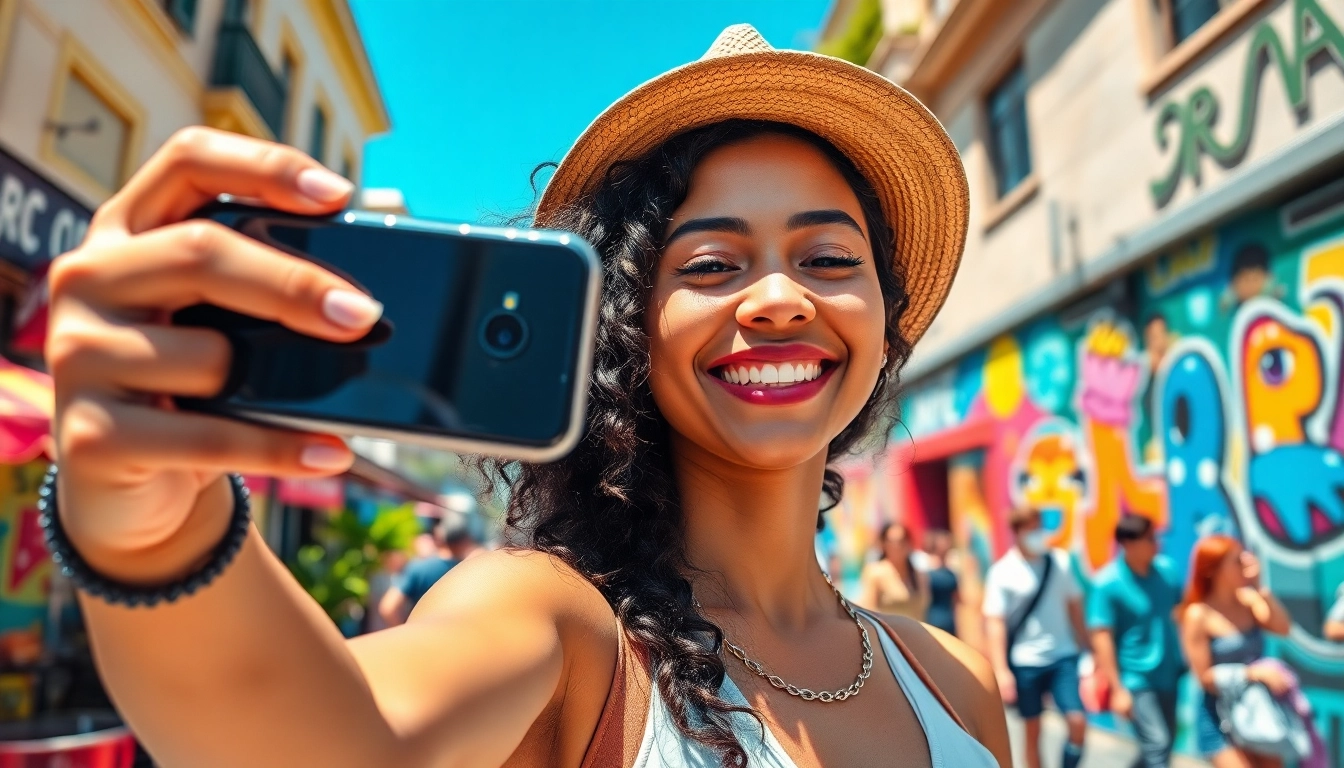
The Selfie phenomenon has transformed the landscape of photography, enabling individuals to capture and share glimpses of their lives in an unprecedented way. A selfie is more than just a photo; it's a representation of a moment, a mood, or a statement. In this article, we will explore the intricacies of taking the perfect selfie, from understanding its artistic elements to the techniques involved in capturing stunning images.
What Makes a Great Selfie?
A great selfie captures not only the subject's features but also evokes a particular emotion or aesthetic. Key elements that contribute to making a selfie stand out include:
- Lighting: Natural light is often the best. It highlights features while reducing shadows, making faces look more vibrant.
- Angles: Experimenting with different angles can lead to more flattering shots. Tilting the head or raising the camera slightly can create a more dynamic perspective.
- Expression: Genuine smiles or candid moments illustrate personality and warmth, creating a connection with the viewer.
- Background: A clutter-free or interesting background can enhance the selfie or provide context to where the photo was taken.
Historical Context of Selfies
The term "selfie" gained prominence in the early 2000s, but the act of self-portraiture dates back centuries. Artists like Rembrandt and Van Gogh explored self-portraits long before the digital age. With the rise of smartphones and social media, taking and sharing selfies became mainstream, marking a cultural shift in how people view themselves and their identities. Today, selfies are part of daily life, designed not only for personal expression but also for social commentary.
Significance of Selfies in Modern Culture
Selfies have become a vital part of social media culture, promoting individuality and creativity while also fostering communities around shared experiences. They serve as a digital scrapbook, documenting life experiences, travels, and milestones. Additionally, selfies have implications for self-esteem and body image. Some studies suggest that while selfies can boost confidence, they may also contribute to issues if one compares their appearance unfavorably to others.
Choosing the Right Environment for Your Selfie
The setting can greatly influence the outcome of a selfie. A thoughtfully chosen environment not only enhances the aesthetic but also conveys a message. There are numerous factors to consider when selecting a backdrop for your photos.
Outdoor Settings That Enhance Your Selfie
Outdoor locations can provide stunning natural light and vibrant backgrounds. Here are some ideal outdoor settings to consider:
- Parks: Lush greenery and blooming flowers create pleasing aesthetics.
- Beaches: The ocean and sandy shores offer a relaxed vibe and beautiful horizons.
- Cityscapes: Urban backgrounds with interesting architecture can inject a dynamic urban feel.
- Mountains: Natural landscapes provide breathtaking backdrops that resonate with adventure seekers.
Indoor Lighting Tips for Flawless Selfies
Indoors can present challenges due to artificial lighting. However, with practical strategies, great selfies can still be captured:
- Utilize Window Light: Position yourself near a window to take advantage of natural light.
- Avoid Overhead Lighting: Harsh overhead lights can create unflattering shadows. Instead, use lamps with warm bulbs.
- Soft Boxes: Invest in soft boxes or ring lights for even, flattering illumination.
Finding Unique Backgrounds for Stunning Selfies
While familiar locations can produce great selfies, unique settings can spark creativity:
- Art Installations: Colorful murals or vibrant artworks provide fantastic backdrops.
- Local Landmarks: Capturing selfies near historic or significant locations can narrate a story.
- Seasonal Decor: Festive decorations can enhance the thematic elements of seasonal selfies.
Technical Aspects of Taking a Selfie
Understanding the technical features of your device is essential for taking high-quality selfies. These camera settings and smartphone features can significantly affect the output.
Camera Settings for the Best Selfie Quality
To maximize the quality of your selfies, consider these camera settings:
- Resolution: Set your camera to a high resolution for sharp images.
- Focus: Use manual focus if available to ensure your eyes are crisp and clear.
- Exposure Compensation: Adjusting the exposure can help in bright situations where the light washes out details.
Using Smartphone Features Effectively
Smartphones come equipped with numerous features designed to enhance photography:
- Grid Lines: Employ the grid feature to align your selfie according to the rule of thirds for a more balanced composition.
- Shooting Modes: Experiment with different shooting modes, including portrait or beauty modes, available on many smartphones.
- Timer Mode: Using the timer can help capture selfies without shaking the camera, allowing you to pose comfortably.
Editing Tips to Enhance Your Selfie
Editing can elevate a good selfie into an outstanding one. Simple modifications can make a significant difference:
- Cropping: Remove distractions or unwanted elements by cropping effectively.
- Filters: Use filters sparingly to enhance rather than overshadow the original photo.
- Color Correction: Adjust brightness, contrast, and saturation to achieve desired mood and tone.
Selfie Trends and Styles to Explore
Staying current with trends can keep your selfies fresh and engaging. Various styles and themes are continually emerging in the selfie landscape.
Understanding Different Selfie Styles
Selfies can vary significantly in style:
- Classic Selfie: A straightforward headshot that captures personality.
- Candid Selfie: A natural shot that looks unposed, capturing genuine moments.
- Group Selfie: These shots, often called ‘usies,’ include multiple people, celebrating friendship and community.
Trending Filters and Effects
The right filter can heighten the impact of your selfie. Popular options include:
- Vibrant Filters: Boost the colors to make the image pop.
- Black and White: Adds a timeless quality to the photo.
- Vintage Effects: Create a nostalgic feel, suitable for retro-themed selfies.
How to Nail Seasonal Selfie Themes
Seasonal themes can create excitement and variety in your selfie collection:
- Holiday Decor: Capture the spirit of different holidays with relevant decorations.
- Seasonal Fashion: Showcase clothing items or accessories reflective of current trends or seasons.
- Seasonal Activities: Engage in activities like pumpkin picking or snowball fights and capture those fun moments.
Sharing and Engaging with Your Selfie
Once you’ve captured the perfect selfie, it’s time to share it with the world. However, enhancing engagement requires understanding your audience's preferences.
Best Platforms for Sharing Selfies
Different social media platforms cater distinctly to selfie sharing:
- Instagram: A visual-centric platform that thrives on vibrant images and engages users through stories and reels.
- Snapchat: Famous for its disappearing photos and friendly interface, ideal for candid and fun moments.
- Facebook: A broad platform where selfies can enhance personal interactions among friends and family.
Building Your Personal Brand through Selfies
Selfies can significantly contribute to personal branding. Here’s how to leverage them:
- Consistency: Post regularly to establish your style and presence.
- Authenticity: Be yourself; genuine moments resonate more with audiences.
- Thematic Context: Develop specific themes that reflect your interests or professional focus.
Engagement Strategies: Making Your Selfies Stand Out
Enhancing engagement involves creative strategies:
- Captions: Use witty and engaging captions to draw attention and prompt responses.
- Hashtags: Utilize trending and relevant hashtags to widen your photo's reach.
- Interact: Engage with your audience through comments and messages to develop a community feel.
Frequently Asked Questions
1. What type of lighting is best for selfies?
Natural light is preferred for most selfies as it creates a soft, flattering illumination. Morning and late afternoon are ideal times to take advantage of warm light.
2. How do I make my selfies more interesting?
Experimenting with angles, incorporating unique backgrounds, and using props can make your selfies more engaging and creative.
3. What smartphone features can enhance my selfies?
Use grid lines for better composition, portrait modes for depth effects, and adjust exposure settings to improve light balance in your selfies.
4. How do filters affect my selfie?
Filters can enhance visual appeal by adjusting colors, brightness, and effects. However, use them sparingly to maintain authenticity.
5. Which social media platform is best for sharing selfies?
Platforms like Instagram and Snapchat are ideal due to their visual focus and features designed specifically to share images easily and engage users.